
Trade Show Success
6 Ways to Define Brand Voice

Georgea
April 13, 2021
What is Brand Voice and Why is it so Important?
Brand voice is your brand's personality. If your brand doesn't have an easily recognized personality, not only will consumers be unsure about what it stands for and what to expect from your company, but it will also be more difficult for prospective customers to see how you're any different from your competitors. The key to developing and maintaining a brand voice is to make a commitment to what your brand represents, and then to let that voice and personality come through in every marketing element that touches your brand.
Brand voice includes more than just logos and taglines. Brand personality should be reflected in the copy on your website, your social media posts, paid advertising, the subject line and click-through-text in your email campaigns, and your events and promotions. If your marketing collateral and communication efforts are not consistent in portraying your brand's values and personality, consumers may become confused and it will be difficult to get them to trust you.
On the other hand, when consumers know what your brand represents, they start to trust you it becomes easier to convert them into customers. Then, those loyal customers may become brand ambassadors and persuade others to come on board.
6 Ways to Define Your Brand Voice
1 Define Your Brand's Purpose, Mission, and Values
Even if you think you know why your brand exists and what you hope to accomplish, make sure to communicate your purpose, mission, and values internally. They should be presented in a way that every employee can understand.
Answer these questions and put them in writing. Include them in corporate communications, post them in the break room, and distribute them in other appropriate places throughout your office:
- In a broad sense, what do you hope to achieve with your brand? What did you set out to accomplish when you started your company?
- What are some more specific goals for your brand? These can be tied to marketing objectives or sales projections, as well as communication goals.
- Define your company's core principles. What are your values? How would you describe your company's culture?
2 Create Profiles or Personas for Your Ideal Customers
Part of why your company exists has to do with the people you serve. Knowing what you have to offer and having a clear idea of the people who will purchase from you will make it easier to "talk" to your prospective customers. Utilize outside research or internal data to determine how best to define your ideal customers in terms of:
- Demographics
- Behavior Patterns
- Motivations
- Goals
3 Review Your Current Marketing Efforts
- Collect a sampling of current ads, email campaigns, social media posts, web copy, newsletters, and other marketing collateral.
- Pull out the pieces that could easily have come from your competitors.
- Determine which pieces you feel best represent your brand.
- Use these "best" pieces as examples to help decision-makers see what's working well for the brand.
4 Select Three Words to Describe Your Brand
If your brand were a person, what would you say about it in terms of personality traits? Is your brand serious, direct, and numbers-driven? Is it more lighthearted, free-spirited, and risk-taking? It's wise to do this same exercise for your closest competitors.
5 Create a Brand Voice Chart
Just as it's important to keep your company's mission and values in front of your employees, it's also helpful to develop a chart that reminds your staff about your brand's most salient personality traits.
The chart can also outline the best tactics for demonstrating those personality traits. Here's an example from a brand voice chart published by the Content Marketing Institute:
| Voice Characteristic | Description | Do | Don't |
|---|---|---|---|
| Passionate | We're passionate about changing the way the world works. | Use strong verbs Be cheerleaders |
Be lukewarm, wishy-washy Use passive voice |
With the type of guidance outlined in a brand voice chart, your writers and designers will be better able to understand how to bring these concepts to life.
6 Convey Your Brand Voice with the Appropriate Language, Colors, Fonts, and Imagery
Language
Here's why it's vital to have in-depth knowledge about your ideal customers. You must speak to them in a way that seems authentic to them and to your brand. Your copy and tone should reflect both your brand's and your prospects personality, ideals, trends, and even slang.
Fonts
Fonts have personalities of their own. Think about how old-school Times New Roman comes across versus a san serif modern font like Verdana. A younger, more progressive brand should choose fonts differently than a more established brand that's aimed at a more traditional audience.
Color
The way we see color is influenced by both our biology and our culture. For most people, yellow signifies happiness and optimism; green makes us think about nature, health, and wellness; black makes us think about luxury, sophistication, and power; and white is associated with simplicity and cleanliness.
Imagery
Remember that imagery includes more than your logo. Web design, photos, and infographics contribute to the personality conveyed by your brand.
Remember that Consistency is Crucial for an Authentic Brand Voice
Once you've defined your brand voice, all your communication efforts must consistently reflect your brand's personality. During a time when we can't rely on face-to-face interaction, brands must do the talking for us. Be certain that when your brand speaks, it comes across as authentic and trustworthy.






Featured Projects
Trending Article



November 24, 2025



November 6, 2025

November 6, 2025
Brand & Design
Georgea
The Hidden Power of a Trade Show Display Case: Turning Products Into Show-Stoppers
Your hero product deserves more than a corner on your booth. Yet at most trade shows, it ends up blending into the background, buried under signage, giveaways, and distractions. A well-placed trade…




Featured Projects
Featured Projects



Custom exhibit design, ops & logistics saved over $26,500/year and elevated audience engagement at major shows.
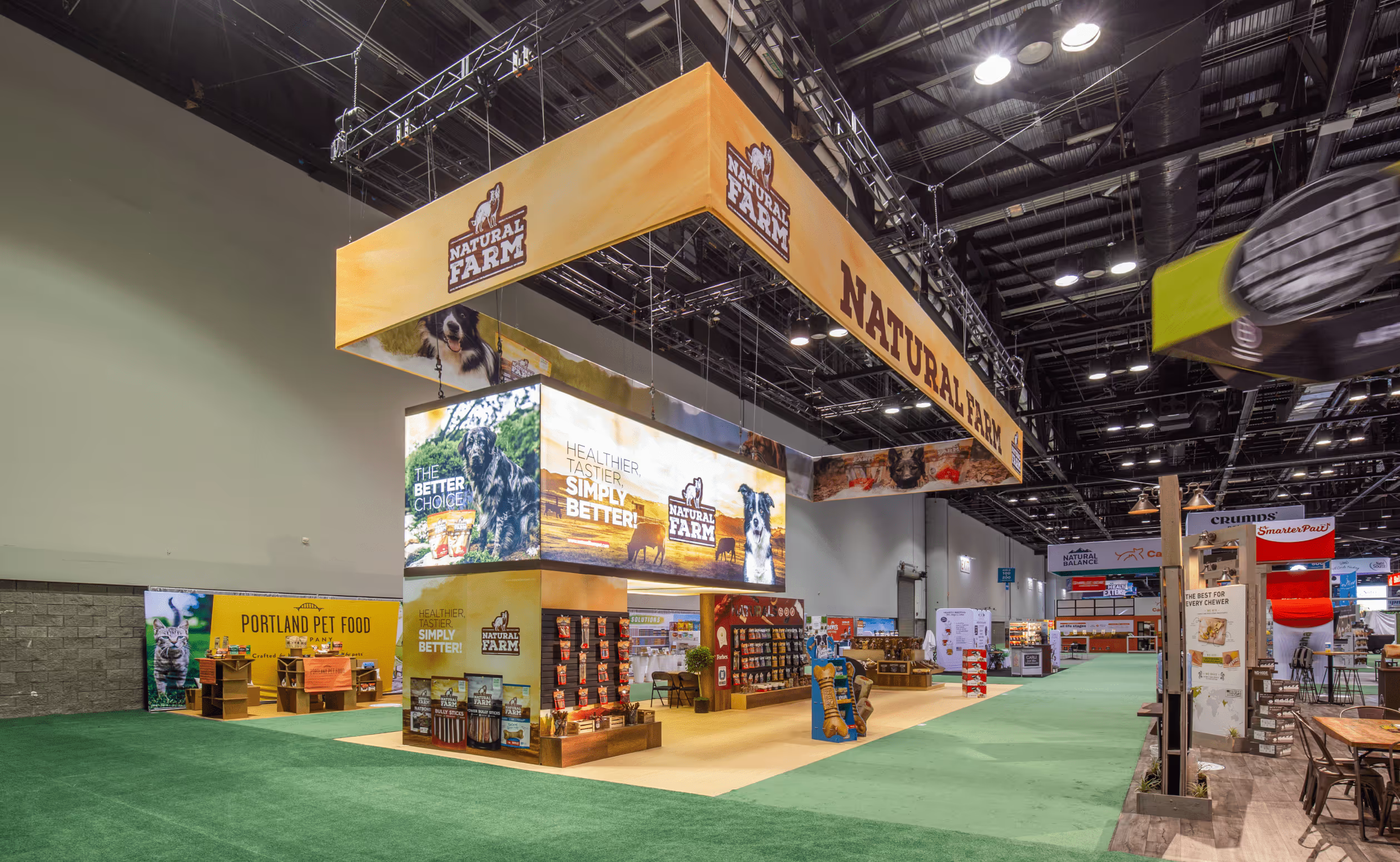
3X - Custom booth design and layout strategy led to a 3X increase in lead capture at Natural Products Expo West.
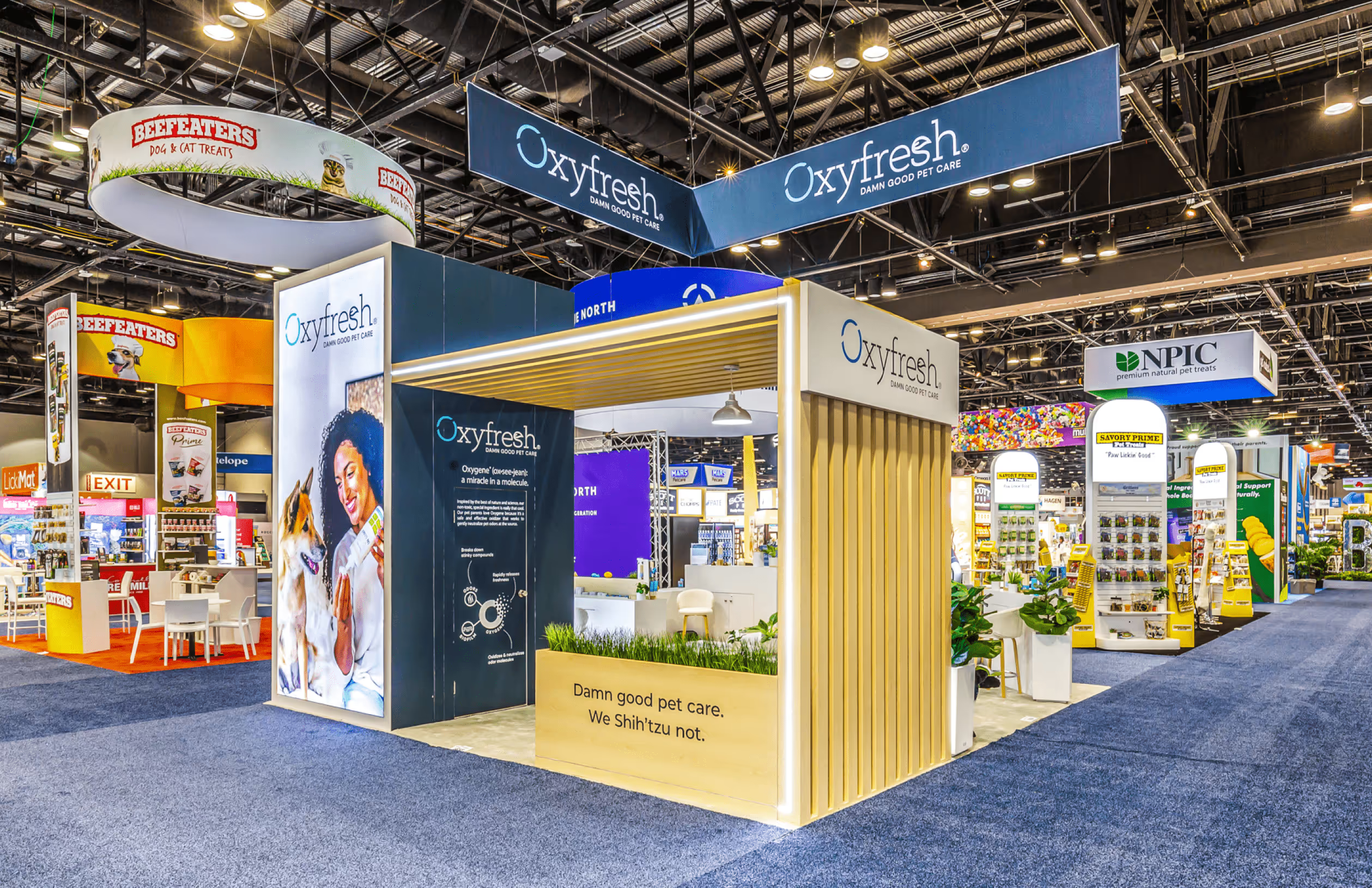


Logistics, staging, and communication were streamlined. EXHIB-IT turned chaos into order: cost control, smoother shows, and peace of mind.
Setup time cut in half. A 30×50 custom booth reduced labor by 192 hours and boosted vendor visibility across the ARA floor.

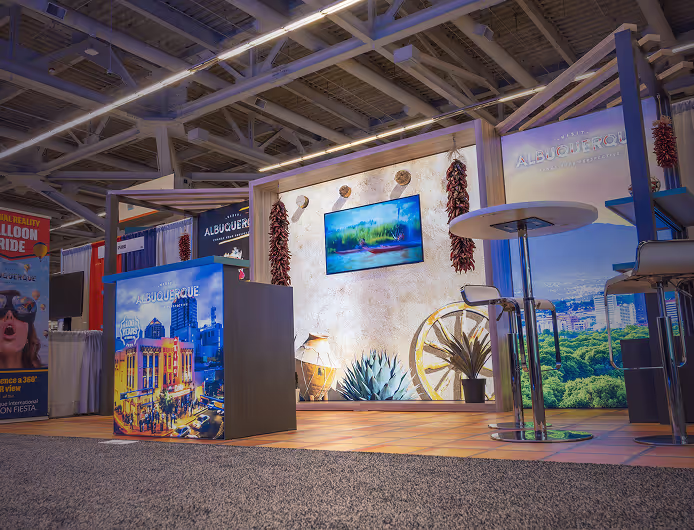
Immersive, culture-first design turned a 20×10 space into a showcase of New Mexico, with adobe textures, local art, and community pride.
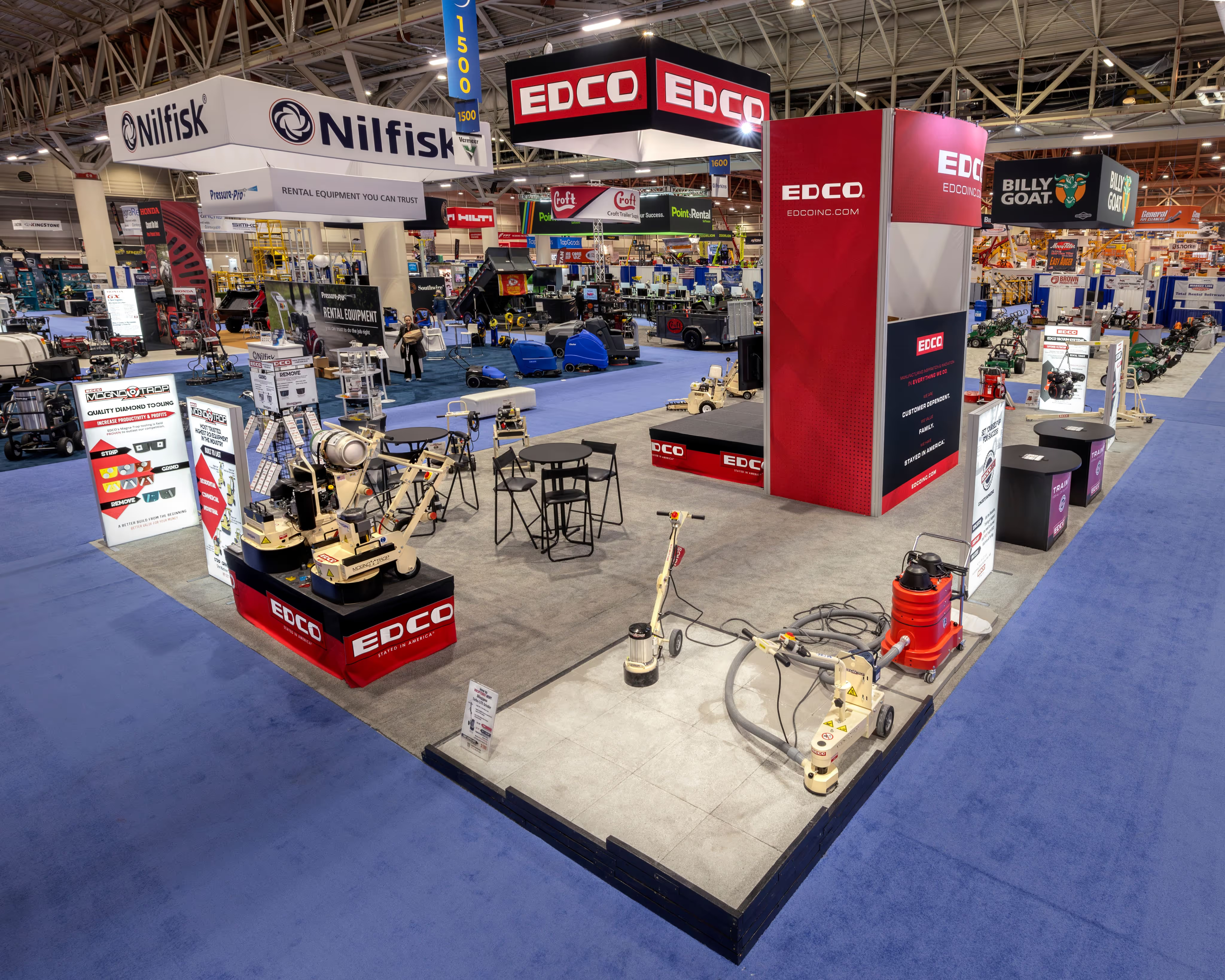
Open-concept booth brought machinery to life. Live demos and training increased engagement and positioned EDCO as industry leader.