
Business Success & Leadership
Trade Show Leadership Development: Building a High-Performing Trade Show Team

Georgea
February 12, 2025
Trade shows are dynamic and competitive. To truly stand out and achieve your goals, you need more than just a great booth – you need a high-performing team. Effective trade show leadership is the key to maximizing your impact on the trade show floor. It's about inspiring your team, navigating challenges, and ensuring everyone is working together to achieve those big-picture goals.
This article dives into the core elements of trade show leadership development. We'll explore how to build a team that doesn't just show up but truly shines – a team that drives results and leaves a lasting impression.
The Importance of Trade Show Leadership Development
Trade shows are fast-paced and demanding. They're a whirlwind of activity, with tight schedules, unexpected challenges, and countless opportunities for interaction. Effective leadership is essential in this environment, as the glue that holds your team together, guiding them toward success.
Think of your trade show booth as a microcosm of your business. You need a leader who can set clear goals, inspire the team, and make quick decisions when needed. This leader needs to be able to motivate and empower team members to engage with attendees, showcase your products or services effectively, and capture valuable leads.
Investing in trade show leadership development is an investment in your overall trade show success. It equips your team with the skills and strategies they need to navigate the challenges, capitalize on opportunities, and deliver exceptional results. Without strong leadership, your trade show presence might fall short of its potential.
Qualities of Effective Trade Show Leaders
What separates a good trade show leader from a truly exceptional one? It's a blend of specific qualities that empower them to inspire their team and achieve outstanding results. Let's explore these key traits:
-
Strategic Thinking: Effective trade show leaders keenly understand the bigger picture. They can connect their team's efforts to the overarching business objectives, ensuring that every action contributes to the company's strategic goals. They can analyze the competitive landscape, identify opportunities, and develop a clear plan for success.
-
Communication Skills: Clear, concise, and inspiring communication is the hallmark of a strong leader. They can effectively convey expectations, provide constructive feedback, and motivate their team to perform at their best. They are also skilled at active listening, ensuring they understand their team's concerns and ideas.
-
Decision-Making Abilities: The trade show environment is dynamic and often unpredictable. Leaders need to be able to make quick, informed decisions, sometimes under pressure. They can assess situations, weigh options, and confidently choose the best course of action.
-
Interpersonal Skills: Building rapport is essential in the trade show world. Effective leaders are approachable, empathetic, and skilled at building relationships with team members, attendees, and potential clients. They create a positive and collaborative atmosphere within their team.
-
Adaptability: Trade shows can throw curveballs. A successful leader remains calm under pressure, adapts to changing circumstances, and finds creative solutions to unexpected challenges. They foster a flexible and adaptable mindset within their team.
Building a High-Performing Trade Show Team
A successful trade show presence relies on a cohesive and motivated team. Building such a team requires careful planning, effective leadership, and ongoing investment in your people.
-
Recruitment and Selection: Start with a strong foundation. Recruit individuals with the right skills, experience, and attitude for success in trade shows. Look for outgoing, enthusiastic, and passionate individuals about your brand. Consider their communication skills, customer service experience, and ability to work effectively in a team environment.
-
Training and Development: Invest in comprehensive training programs that equip your team with the knowledge and skills they need to excel. This includes product knowledge, effective communication techniques, customer service best practices, and lead capture strategies. Empower your team with the tools and resources they need to represent your brand confidently.
-
Motivation and Engagement: Create a positive and supportive environment where team members feel valued and motivated. Recognize and reward outstanding performance, encourage open communication, and foster a sense of camaraderie. A motivated team is a productive team.
-
Teamwork and Collaboration: Trade shows require teamwork. Encourage collaboration, knowledge sharing, and mutual support among team members. Create opportunities for team building and bonding during and outside trade show events. A cohesive team is more effective at achieving shared goals.
-
Performance Management: Set clear expectations for performance, provide regular feedback, and conduct performance reviews to identify areas for improvement. Offer constructive criticism and guidance to help team members grow and develop their skills. A well-managed team is a high-performing team.
Empowering Your Trade Show Team for Success
Leadership isn't about micromanaging but empowering your team to take ownership and shine. It's about creating an environment where they feel confident, supported, and motivated to achieve their best. But how do you cultivate this sense of empowerment?
Trust and Autonomy
Trust is the foundation of any strong team. Show your team that you trust their judgment and abilities. Delegate responsibilities and give them the autonomy to make decisions within their roles. This fosters a sense of ownership and allows team members to develop their skills and grow professionally.
Open Communication
Encourage open and honest communication within your team. Create a safe space for sharing ideas, concerns, and feedback. Actively listen to your team members and value their input. This fosters a sense of collaboration and ensures that everyone feels heard and respected.
Recognition and Appreciation
Recognize and appreciate your team's efforts. Celebrate successes, both big and small. Acknowledge individual contributions and show gratitude for their hard work. A simple "thank you" can go a long way in boosting morale and motivation.
Opportunities for Growth
Provide opportunities for professional development and growth. Encourage team members to attend industry events, participate in training programs, and pursue certifications. Investing in their growth demonstrates your commitment to their success and fosters a culture of continuous learning.
Leading by Example
The most effective leaders lead by example. Demonstrate the qualities you expect from your team: passion, dedication, integrity, and a commitment to excellence. Be a role model for positive behavior and inspire your team to reach their full potential.
Measuring the Impact of Trade Show Leadership Development
Investing in your team's leadership skills is smart, but how do you know if it's truly paying off? How do you measure the impact of your trade show leadership development efforts and demonstrate a return on investment?
Setting Clear Objectives
Before measuring the impact of your leadership development programs, you need to define clear objectives. What specific outcomes are you hoping to achieve? Are you aiming to increase lead generation, improve customer engagement, or boost overall trade show ROI? Having well-defined objectives will provide a framework for evaluating your progress.
Key Performance Indicators (KPIs)
Identify key performance indicators (KPIs) that align with your objectives. These might include metrics such as:
- Number of qualified leads generated
- Conversion rate of leads to sales
- Customer satisfaction ratings
- Teamwork and collaboration scores
- Overall trade show ROI
Track these KPIs over time to assess the effectiveness of your leadership development initiatives.
Gathering Feedback
Don't underestimate the value of feedback. Gather input from your team members, trade show attendees, and other stakeholders. Conduct surveys, hold focus groups, and encourage open communication to understand the impact of your leadership development efforts. This feedback can provide valuable insights into areas for improvement and help you fine-tune your approach.
Analyzing the Data
Once you've gathered data and feedback, it's time to analyze the results. Look for trends, patterns, and correlations that can help you understand the impact of your leadership development programs. Are you seeing an increase in lead generation? Have customer satisfaction ratings improved? Is your team collaborating more effectively? Analyzing the data will help you demonstrate the value of your investment and identify areas for further improvement.
Continuous Improvement
Leadership development is an ongoing process. Use your gathered data and feedback to improve your programs and strategies continuously. Identify areas where your team excels and areas where they need further support. Adapt your approach as needed to ensure your leadership development efforts align with your evolving business goals.
The Future of Trade Show Leadership Development
The trade show landscape constantly evolves, and leadership development needs to keep pace. New technologies, changing attendee expectations, and a growing emphasis on data-driven decision-making are shaping the future of trade show leadership.
Embracing Technology
Technology is transforming the way we lead and manage trade show teams. From virtual collaboration tools to data analytics platforms, technology empowers leaders to connect with their teams, track performance, and make informed decisions. Trade show leaders need to be comfortable with these technologies and leverage them to enhance their leadership effectiveness.
Developing New Skills
The future of trade show leadership requires a new set of skills. Leaders need to be adaptable, innovative, and data driven. They need to inspire and motivate their teams in a rapidly changing environment. They also need to be skilled at building in-person and online relationships.
Cultivating a Growth Mindset
The trade show industry is dynamic and competitive. Leaders need to cultivate a growth mindset, embracing challenges as opportunities for learning and development. They must be willing to experiment, take risks, and adapt to new trends and technologies.
Building a Diverse and Inclusive Team
Diversity and inclusion are essential for building a high-performing trade show team. Leaders must create an environment where everyone feels valued, respected, and included. They need to foster a culture of diversity and inclusion, where different perspectives are welcomed and celebrated.
Focusing on Sustainability
Sustainability is becoming increasingly important in the trade show industry. Leaders need to be mindful of their events' environmental impact and take steps to reduce their footprint. They must also promote sustainable practices within their teams and encourage attendees to make eco-friendly choices.
By embracing these trends and developing the necessary skills, trade show leaders can position their teams for success in the future of exhibiting.
Trade show leadership development invests in your team's success and your company's growth. By cultivating strong leadership skills and building a high-performing team, you can maximize your trade show ROI and achieve your business objectives. Contact Exhibit today to learn more about our trade show leadership development programs and how we can help you build a winning team.





Featured Projects
Trending Article



November 24, 2025



November 6, 2025

November 6, 2025
Brand & Design
Georgea
The Hidden Power of a Trade Show Display Case: Turning Products Into Show-Stoppers
Your hero product deserves more than a corner on your booth. Yet at most trade shows, it ends up blending into the background, buried under signage, giveaways, and distractions. A well-placed trade…




Featured Projects
Featured Projects
-min.avif)

Custom exhibit design, ops & logistics saved over $26,500/year and elevated audience engagement at major shows.
3X - Custom booth design and layout strategy led to a 3X increase in lead capture at Natural Products Expo West.
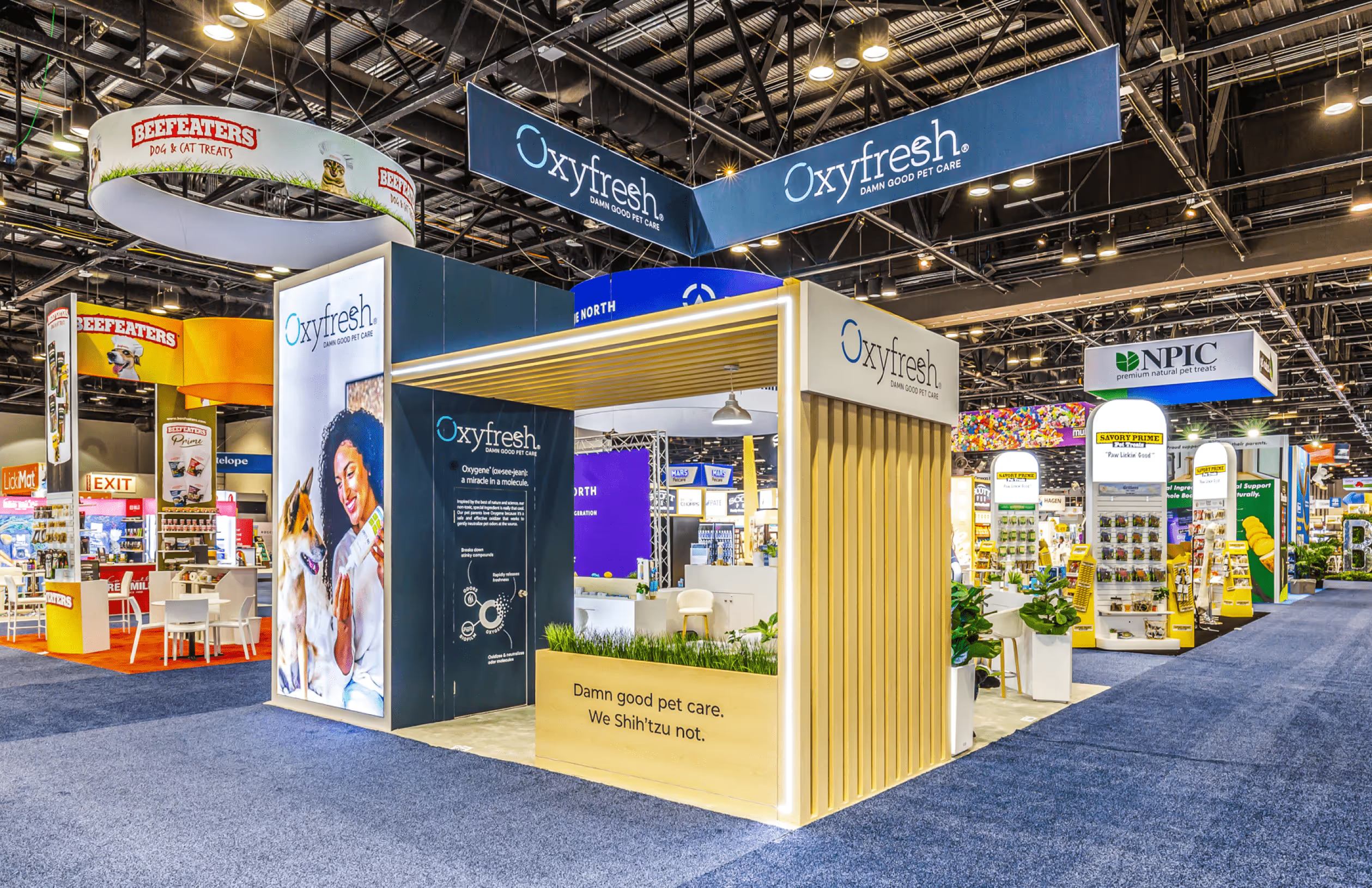

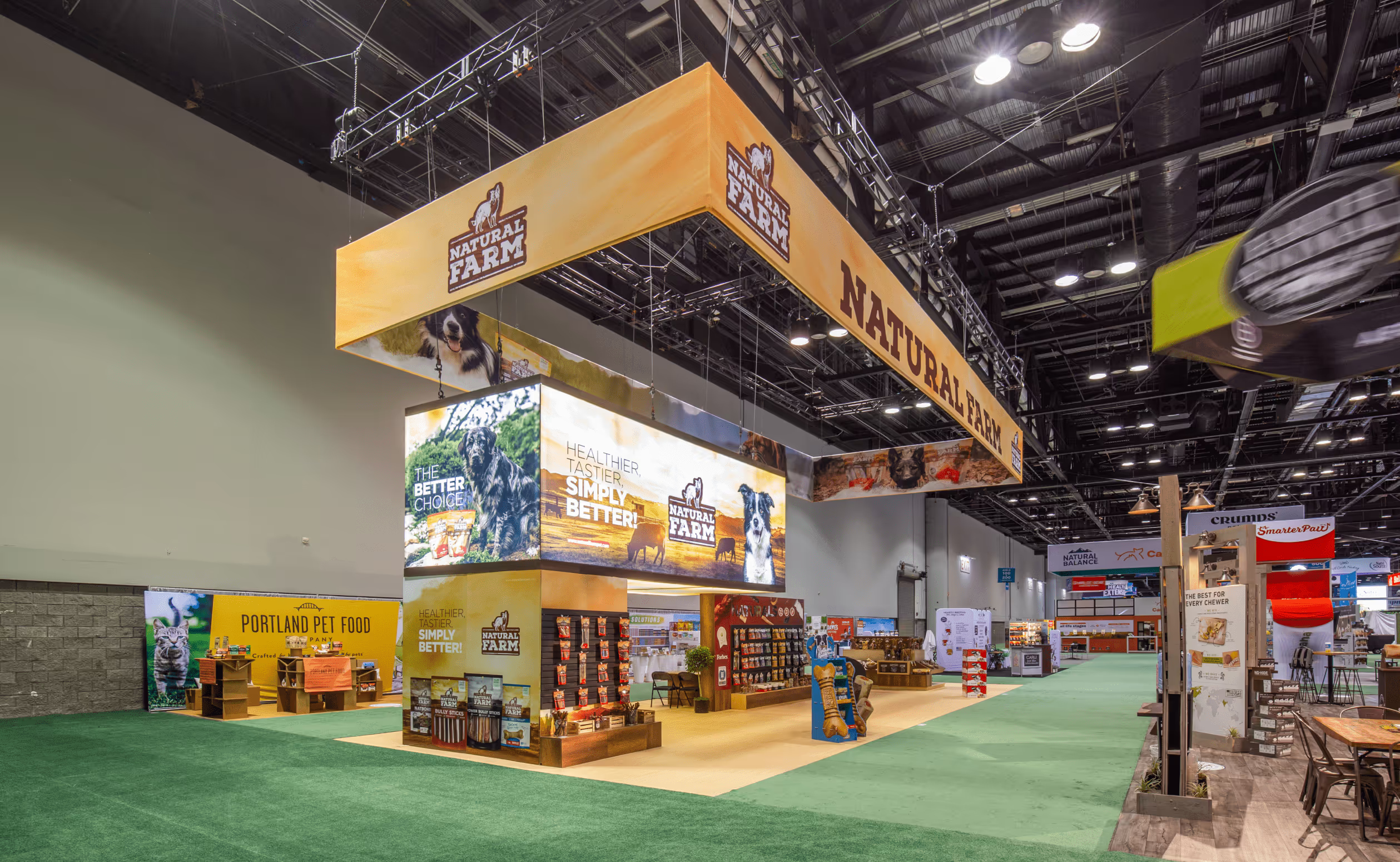

Logistics, staging, and communication were streamlined. EXHIB-IT turned chaos into order: cost control, smoother shows, and peace of mind.
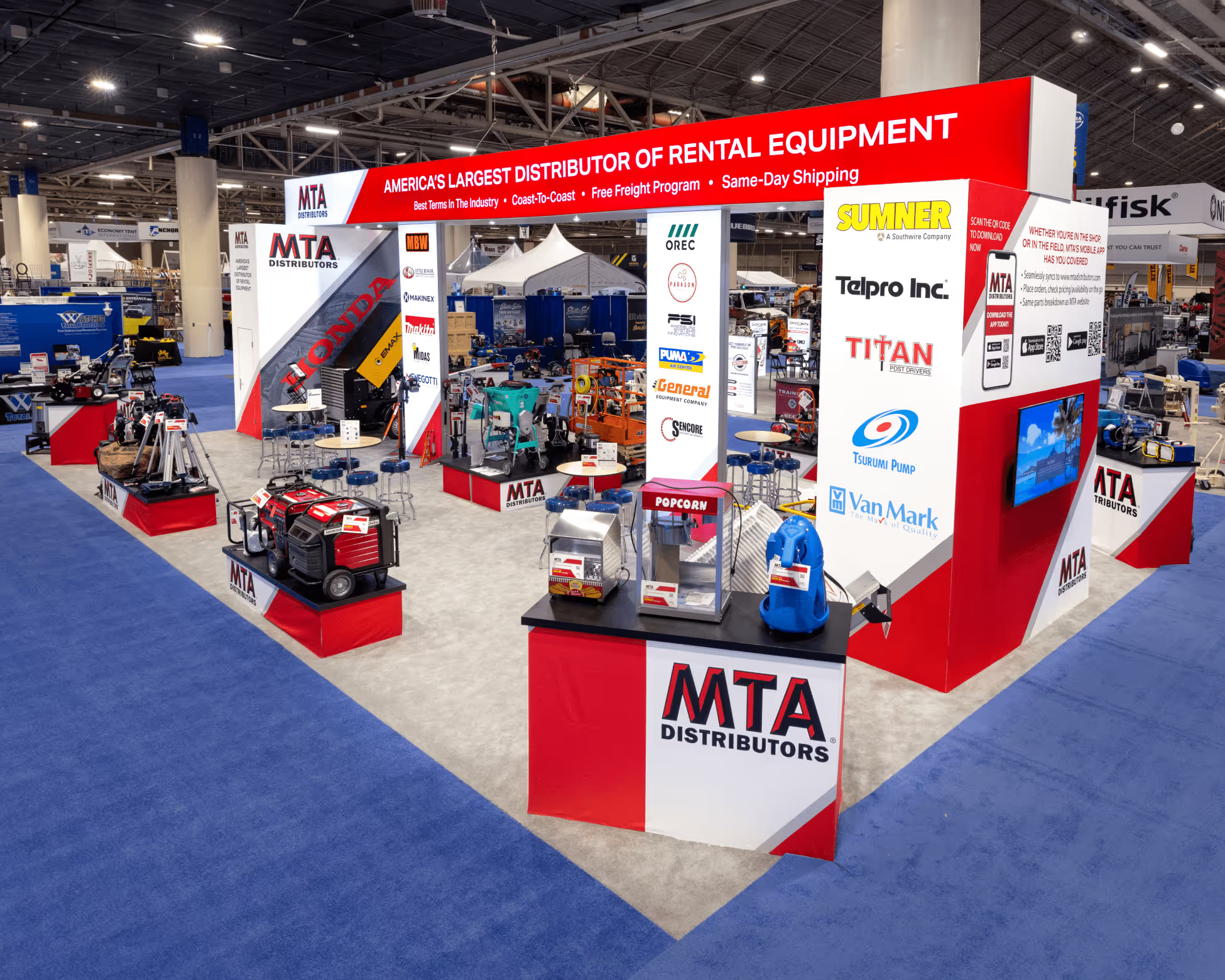
Setup time cut in half. A 30×50 custom booth reduced labor by 192 hours and boosted vendor visibility across the ARA floor.
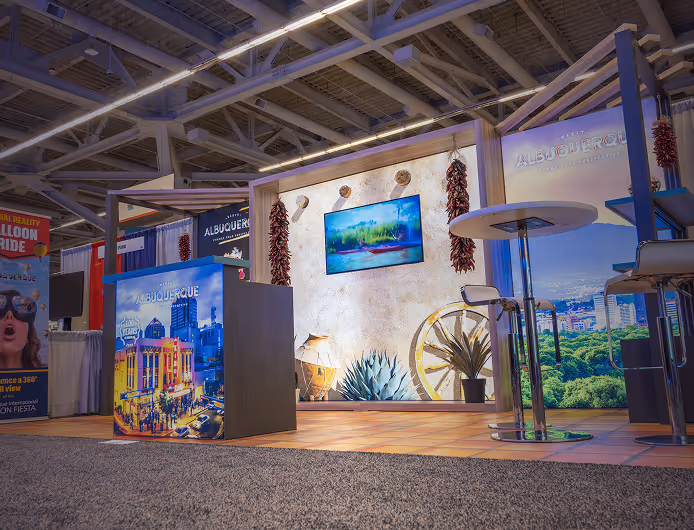
Immersive, culture-first design turned a 20×10 space into a showcase of New Mexico, with adobe textures, local art, and community pride.
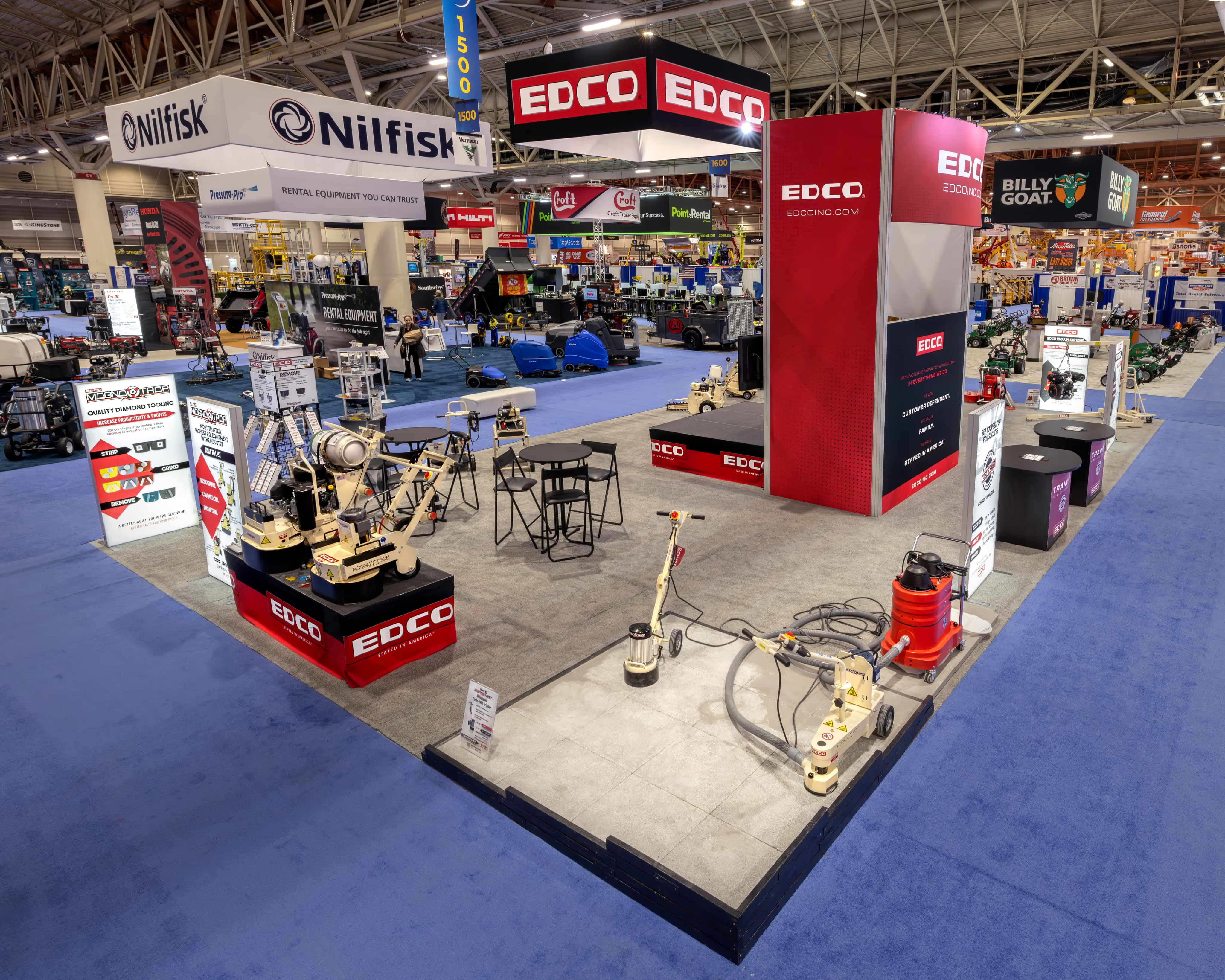
Open-concept booth brought machinery to life. Live demos and training increased engagement and positioned EDCO as industry leader.