
Brand & Design
Why Exhibition Design and Print Services Are Essential for Trade Shows

Georgea
March 19, 2025
Trade shows are competitive spaces where every brand fights for attention. Some booths attract visitors effortlessly, while others blend into the background. The difference often comes down to exhibition design and print services, which shape how a brand is perceived and remembered.
A well-designed booth creates an engaging space that draws people in and encourages interaction. High-quality print materials reinforce that message, providing something tangible for attendees to take with them. When executed properly, these elements enhance brand visibility and improve engagement.
This article explores why exhibition design services matter, common mistakes to avoid, and how to use them effectively to stand out at your next trade show.
The Role of Exhibition Design in Trade Show Success
Exhibition design is more than arranging displays and signage—it's about creating an environment that attracts, informs, and engages visitors. A well-planned booth can significantly impact how attendees perceive a brand and whether they choose to stop and interact.
What is Exhibition Design?
At its core, exhibition design is the strategic planning and execution of a trade show space. It involves selecting layouts, visuals, lighting, and interactive elements to ensure a booth is visually appealing, functional, and aligned with business goals.
Beyond aesthetics, a well-designed booth establishes credibility and professionalism. A cluttered or confusing layout can drive potential leads away, while a structured, inviting space encourages conversations. Branding, color schemes, and even textures play a role in how a company is perceived, shaping trust, engagement, and memorability.
How Effective Exhibition Design Captures Attention
Trade show floors are busy and competitive. Attendees have limited time, so booths must be designed to stand out at a glance. Visitors will walk past without a second thought if a company's presence isn't immediately clear.
The psychology behind booth design focuses on visual hierarchy and engagement cues. People naturally gravitate toward bold colors, unique shapes, and movement, but these elements must be balanced. A booth that is too loud or visually overwhelming can have the opposite effect, making visitors hesitant to engage. Strategic lighting, well-placed product displays, and clear signage help guide attendees, ensuring they absorb key information effortlessly.
When attendees walk past a booth, they make quick judgments about the brand. They are less likely to stop if the messaging is unclear or the space feels uninviting. A well-structured design allows visitors to understand the company's offering without effort, creating a natural path for engagement and conversation.
Why Print Services Are Still Essential in the Digital Age
Even in a world dominated by digital marketing, print materials remain a key part of a successful trade show presence. A well-designed booth may capture attention, but printed materials ensure that a brand's message stays with attendees long after they leave.
The Role of Print in a Trade Show Environment
Printed materials serve as physical reminders of a brand. While digital displays and QR codes provide instant access to information, brochures, banners, and business cards create a lasting impression. Attendees may visit dozens of booths in a single day, making it easy to forget details. A well-placed flyer or catalog allows them to revisit key information later.
Beyond practicality, print materials reinforce brand identity. Consistency in design, colors, and messaging strengthens recognition. A company with a sleek, well-printed brochure signals professionalism and attention to detail, while a low-quality handout can have the opposite effect. The tactile experience of flipping through a brochure or holding a high-quality business card also builds a sense of credibility that a digital ad or email often lacks.
High-Quality vs. Generic Print Materials—Does It Matter?
Not all printed materials leave the same impression. Low-resolution images, thin paper stock, and inconsistent branding can make marketing materials feel rushed or unprofessional. In contrast, well-crafted brochures and banners signal reliability and expertise.
A few key differences set premium print materials apart:
- Durability – High-quality paper and finishes prevent materials from appearing worn by the event's end.
- Color Accuracy – Professional printing ensures branding remains consistent across all materials.
- Readability – Clear fonts and well-structured layouts make information easier to absorb.
- Tactile Experience – A thick, well-textured business card feels more substantial than a flimsy, generic one.
Some companies opt for DIY printing to cut costs, but without the right equipment and expertise, this can result in uneven colors, blurry text, and a lack of polish. Professional printing services ensure that every element aligns with the brand's image, making materials more effective in attracting and converting leads.
Trade shows are fast-paced environments where first impressions matter. Print materials that look and feel high-quality can be the difference between being remembered and forgotten.
How Exhibition Design and Print Services Work Together for Maximum Impact
A well-designed booth captures attention, but without supporting materials, the interaction can end as quickly as it begins. When exhibition design and print services align, they create a unified brand experience that keeps attendees engaged and ensures the message sticks long after the event is over.
Creating a Cohesive Brand Experience
Every visual element in a trade show booth contributes to brand perception. To maintain consistency, colors, typography, and graphics should match across all materials—from booth structures to brochures. When signage, banners, and handouts feel disconnected from the booth's design, a brand can appear unorganized or inconsistent.
Strong branding creates an instant connection. When attendees receive a brochure that mirrors the booth's aesthetics, they are more likely to associate the printed material with the conversation they had at the event. This consistency reinforces credibility and strengthens brand recall, making it easier for potential leads to recognize and remember the company later.
Strategic Placement of Print Materials
Where and how print materials are displayed plays a major role in engagement. If brochures are tucked away in a stack on the corner of a table, attendees might not even notice them. But when materials are placed strategically, they become part of the experience rather than an afterthought.
Key placement strategies include:
- At the entrance of the booth – A well-designed sign or banner should communicate the company's core message in seconds.
- Near product displays – Brochures with detailed information can supplement live demonstrations and give attendees something to take with them.
- Integrated into interactive elements – QR codes on printed materials can link to videos, case studies, or digital catalogs, creating a seamless connection between print and digital engagement.
- With booth staff – Instead of letting materials sit on a table, team members can hand them directly to engaged visitors, making the interaction more personal.
When print materials are treated as an active part of exhibition design rather than an afterthought, they become tools that enhance engagement rather than just items attendees collect and forget. Thoughtful design and placement ensure they are both seen and used, extending the brand's presence beyond the trade show floor.
Mistakes to Avoid When Planning Your Exhibition Presence
A trade show booth is a company's chance to make a lasting impression, but poor planning can quickly turn it into a missed opportunity. Common mistakes, from ineffective layouts to poorly executed print materials, can make a booth uninviting or forgettable. Recognizing these pitfalls ahead of time can help businesses create a more successful trade show presence.
Common Booth Design Pitfalls
A well-designed booth is inviting and functional, but many exhibitors make the mistake of prioritizing flashy elements over usability. A few design missteps that can drive attendees away include:
- Overcrowded layouts – A booth filled with too many product displays, signage, and furniture can feel chaotic, making it difficult for visitors to navigate.
- Poor lighting – Insufficient or harsh lighting can make the space look dull or uninviting. The right lighting draws attention to key areas and enhances the overall look of the booth.
- Lack of clear messaging – If attendees can't immediately understand what a company does, they won't stop to find out. Signage should be concise, well-placed, and aligned with the brand's core message.
- Neglecting attendee comfort – A booth lacking seating or standing room can quickly drive potential leads away, especially at events requiring long walking periods.
Exhibitors should aim for a balance between aesthetics and functionality. An open, well-structured space with clear branding encourages engagement, while a cluttered or poorly lit booth can turn potential leads away.
Print Material Mistakes That Hurt Your Brand
Printed materials are meant to reinforce a company's presence, but they can have the opposite effect when done incorrectly. Poorly designed or low-quality materials can make an otherwise polished booth look unprofessional.
The most common print-related mistakes include:
- Low-quality printing – Blurry images, thin paper stock, and faded colors create a negative impression.
- Inconsistent branding - Print materials should match the booth's colors, fonts, and messaging for a cohesive look.
- Overloading attendees with information – A brochure packed with dense text is likely to be ignored. Materials should be visually engaging and easy to skim.
- Unclear calls to action - If materials don't direct attendees to the next steps, such as visiting a website or scheduling a follow-up meeting, they lose their impact.
- Forgetting digital integration – QR codes or scannable links provide an easy way for attendees to access more information without carrying excessive print materials.
Well-designed print materials should enhance engagement, not overwhelm attendees. Clear, concise content combined with professional-quality printing ensures they serve as effective marketing tools rather than disposable handouts.
Lessons from Trade Shows: What Works and What Doesn't
Looking at successful and unsuccessful trade show experiences can provide valuable insight into what makes an exhibition presence effective.
Companies that succeed at trade shows often:
- Design booths with open layouts and clear branding.
- Use print materials that complement their booth's design.
- Prioritize quality over quantity, ensuring that both the booth and printed materials are polished and professional.
- Train staff to proactively engage with attendees rather than waiting for people to approach them.
Conversely, exhibitors who struggle to attract visitors often make the mistake of creating overly complex displays, relying on generic print materials, or failing to train their staff to engage with attendees effectively.
Trade shows provide a unique opportunity to connect with potential clients and partners. Avoiding common mistakes in booth design and print strategy can make the difference between blending in and standing out.
The Future of Exhibition Design and Print Services
Exhibition spaces are evolving as businesses prioritize sustainability, technology, and efficiency. Trade shows are no longer just about static displays—they are shifting toward interactive experiences and eco-friendly solutions that align with modern audience expectations. As companies look for ways to reduce waste and enhance engagement, exhibition design and print services are adapting to meet these new demands.
The Rise of Sustainable Print Materials
Sustainability has become a core focus in exhibition planning. Many businesses are moving away from disposable displays and shifting toward reusable, recyclable, or biodegradable materials. Printed materials that once relied on petroleum-based inks and synthetic plastics are now being replaced with eco-friendly alternatives that reduce environmental impact without compromising quality.
For exhibitors, sustainability is not just about reducing waste—it also influences brand perception. Attendees are more likely to engage with businesses that demonstrate a commitment to responsible practices. Companies that use recyclable banners, modular booth structures, and sustainable printing methods reduce their carbon footprint and position themselves as forward-thinking brands.
Technology Integration in Exhibition Design
Trade shows are becoming increasingly interactive, blending physical and digital elements to create immersive experiences. Augmented reality (AR) and interactive screens allow exhibitors to showcase their products in ways that go beyond traditional signage. Instead of relying solely on printed brochures, companies are integrating touchscreen displays where attendees can explore catalogs, watch product demos, or customize their experience based on their interests.
This shift doesn't mean printed materials are becoming obsolete. Instead, technology is being used to enhance their impact. Digital signage can complement print graphics, while scannable QR codes on brochures connect attendees to additional resources online. By integrating technology thoughtfully, exhibitors can create a dynamic environment that holds attention and encourages deeper engagement.
How Print and Digital Can Coexist at Trade Shows
While digital solutions are expanding opportunities for exhibitors, print remains an essential part of trade show marketing. The challenge is not choosing between the two but finding the right balance. A well-designed brochure still provides a tangible takeaway, but it becomes even more powerful when paired with digital elements.
Exhibitors are shifting toward hybrid approaches that combine print with digital convenience. QR codes on banners allow visitors to scan and access extended content, while smart business cards eliminate the need for excessive paper waste. Some companies are reducing printed handouts but providing digital catalogs that attendees can receive via email. These methods allow brands to maintain the personal touch of print while benefiting from the efficiency of digital engagement.
The future of exhibition design and print services is about adaptability. Companies that embrace sustainability, integrate technology, and find the right mix of physical and digital marketing will continue to create compelling, memorable trade show experiences.
Why Investing in Professional Exhibition Design and Print Services is Worth It
Trade shows present a rare opportunity for businesses to connect with potential clients, showcase their brand, and generate leads. But with so many companies competing for attention, making a strong impression requires more than just showing up. Exhibition design and print services play a key role in shaping how attendees perceive and engage with a brand.
A well-designed booth encourages interaction, builds credibility, and reinforces messaging. When combined with high-quality print materials, businesses can extend their reach beyond the trade show floor, ensuring that their message stays with attendees long after the event. Companies that invest in strategic exhibition design and professional print services see stronger engagement, improved brand perception, and a higher return on investment.
Working with professionals ensures that every detail—layout, signage, printed materials—aligns with a company's goals and audience. A polished, well-structured booth creates a seamless experience, making it easier for attendees to navigate, engage, and remember the brand. While it's possible to manage exhibition design and printing in-house, professional expertise guarantees a higher-quality, more effective trade show presence.
Trade shows are competitive, and first impressions matter. Businesses that approach their exhibition strategy with a well-thought-out design and professional print solutions stand out, connect with the right audience, and leave a lasting impact.





Featured Projects
Trending Article



November 24, 2025


November 6, 2025

November 6, 2025
Brand & Design
Georgea
The Hidden Power of a Trade Show Display Case: Turning Products Into Show-Stoppers
Your hero product deserves more than a corner on your booth. Yet at most trade shows, it ends up blending into the background, buried under signage, giveaways, and distractions. A well-placed trade…




Featured Projects
Featured Projects
-min.avif)


Custom exhibit design, ops & logistics saved over $26,500/year and elevated audience engagement at major shows.
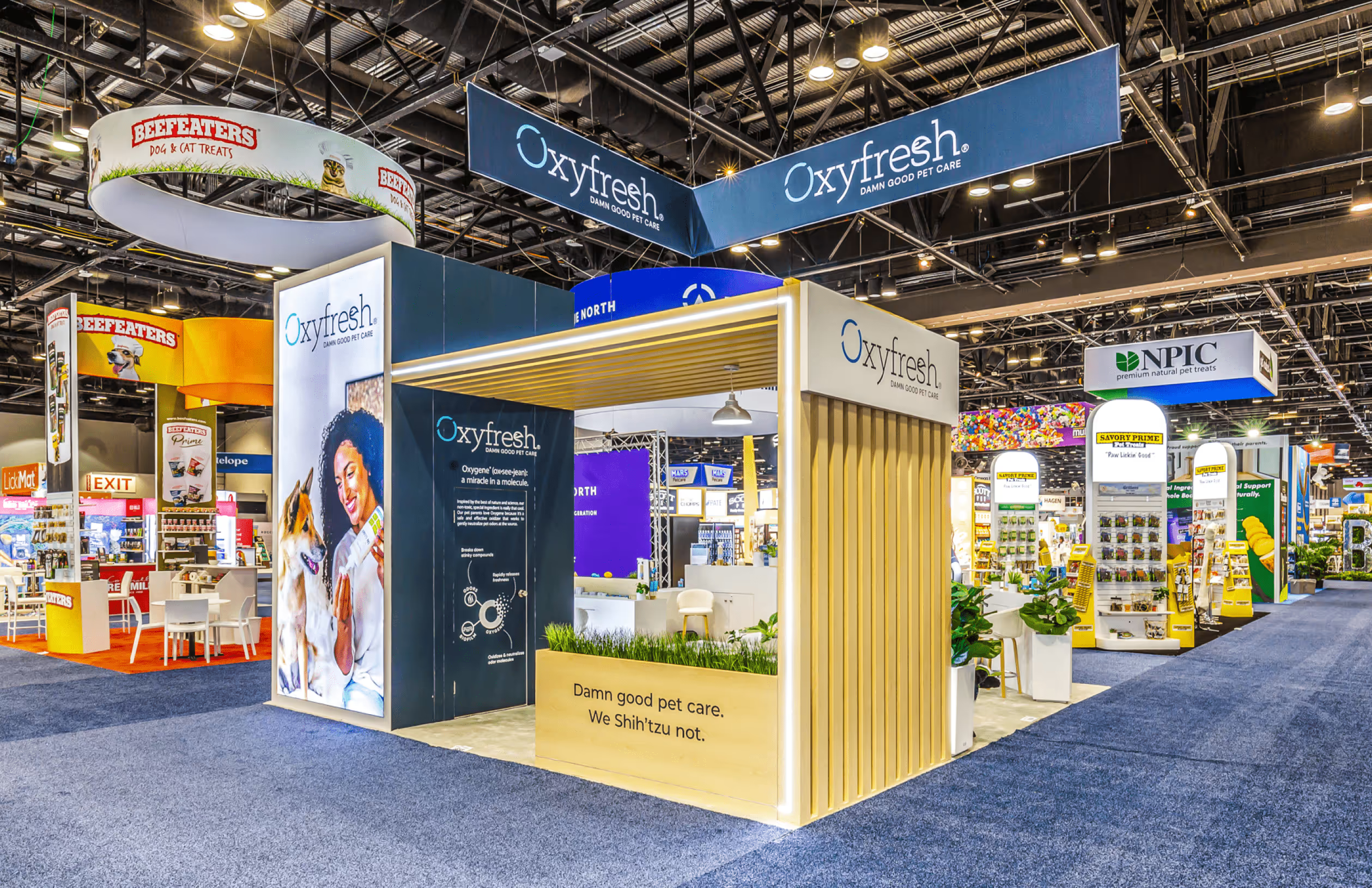
3X - Custom booth design and layout strategy led to a 3X increase in lead capture at Natural Products Expo West.

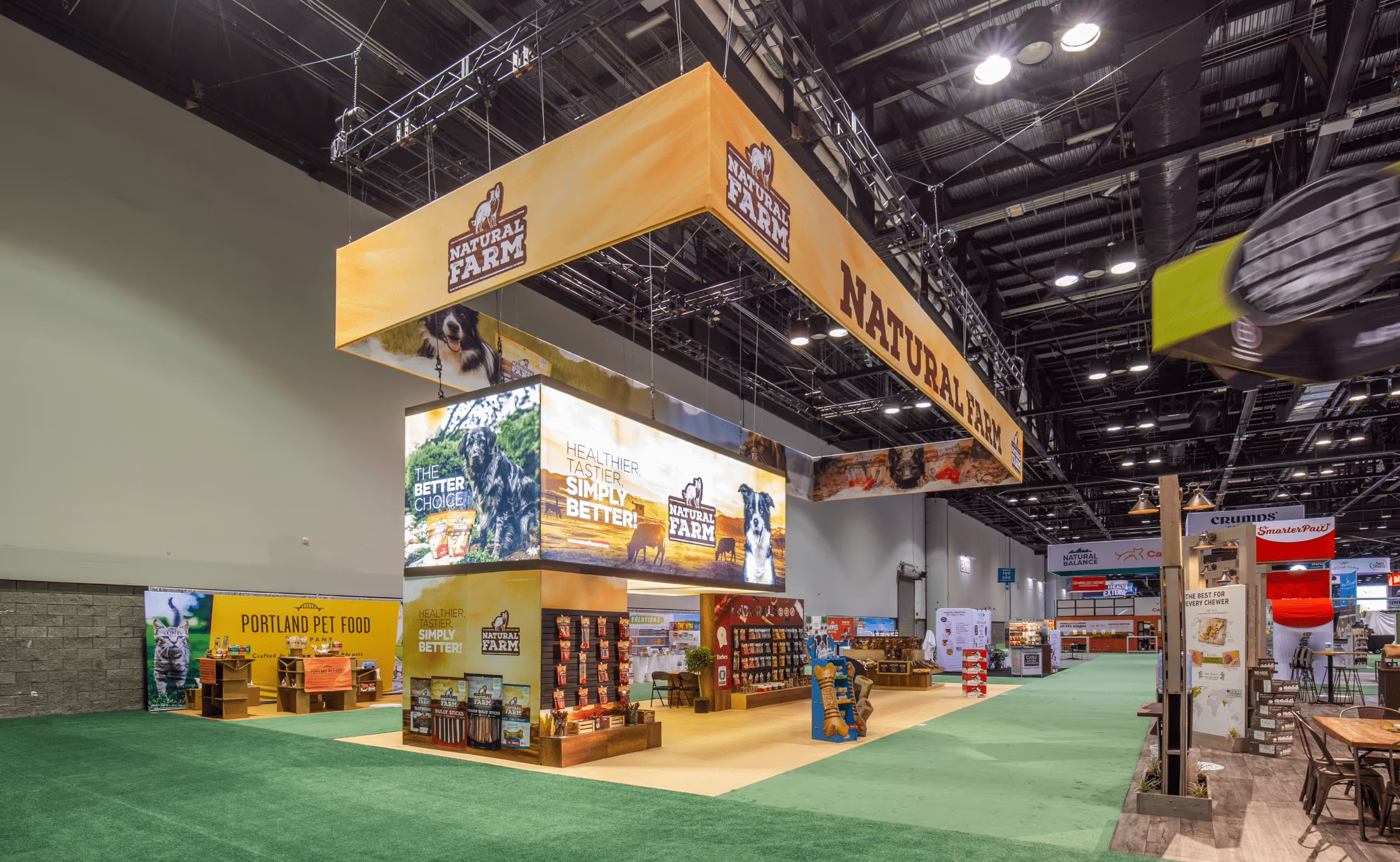

Logistics, staging, and communication were streamlined. EXHIB-IT turned chaos into order: cost control, smoother shows, and peace of mind.
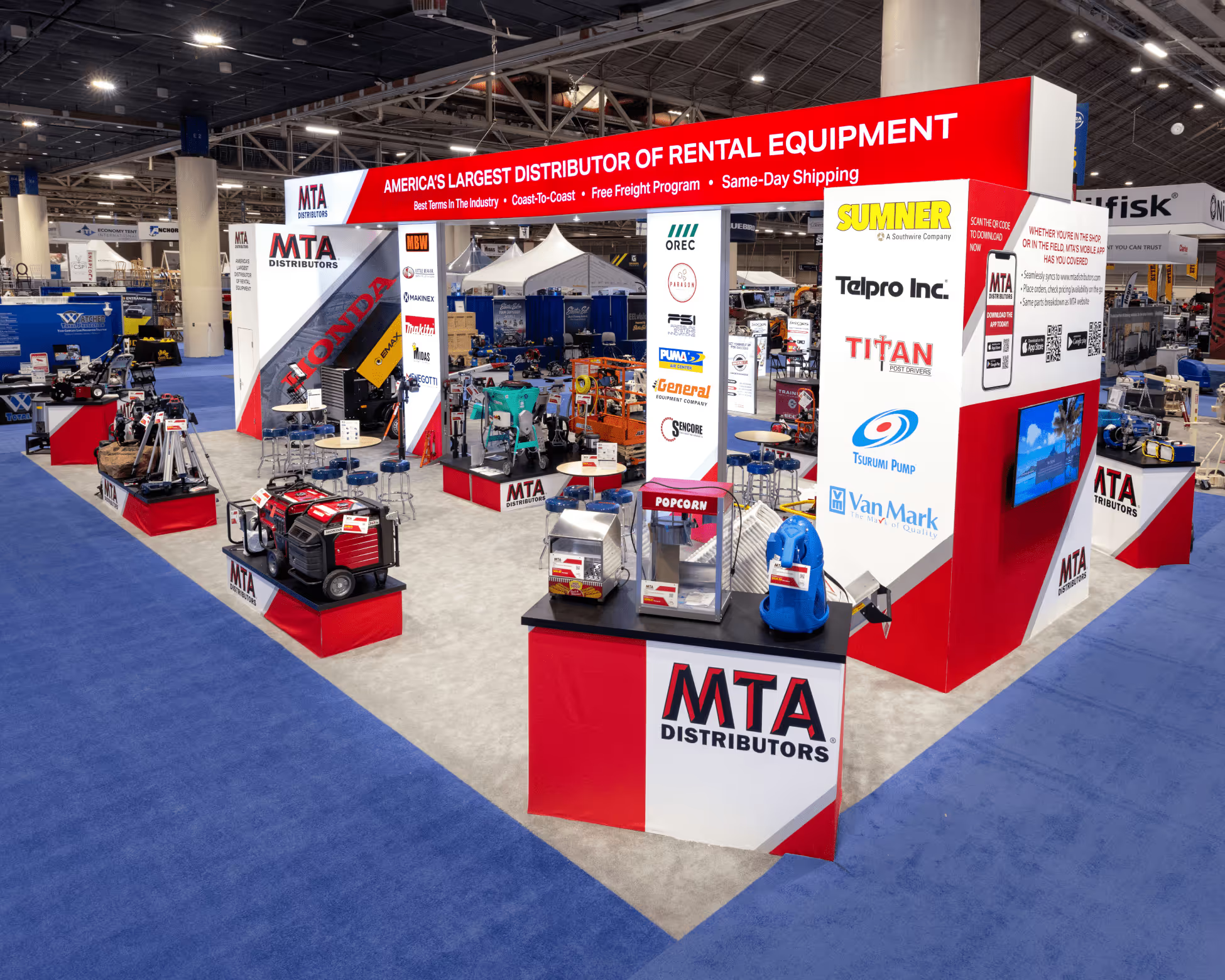
Setup time cut in half. A 30×50 custom booth reduced labor by 192 hours and boosted vendor visibility across the ARA floor.

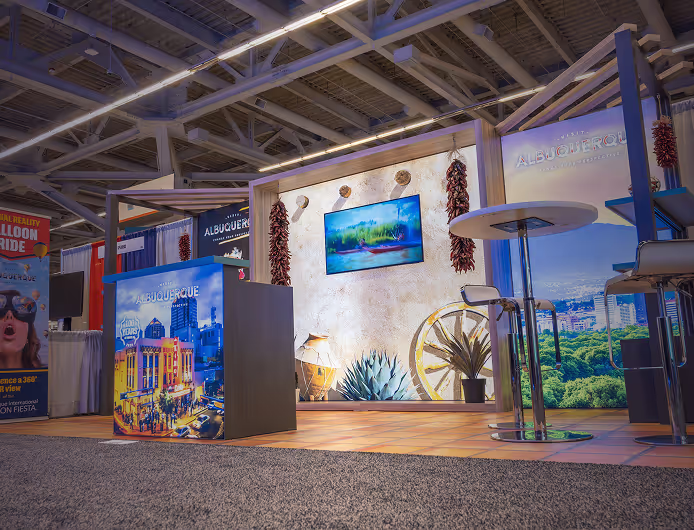
Immersive, culture-first design turned a 20×10 space into a showcase of New Mexico, with adobe textures, local art, and community pride.
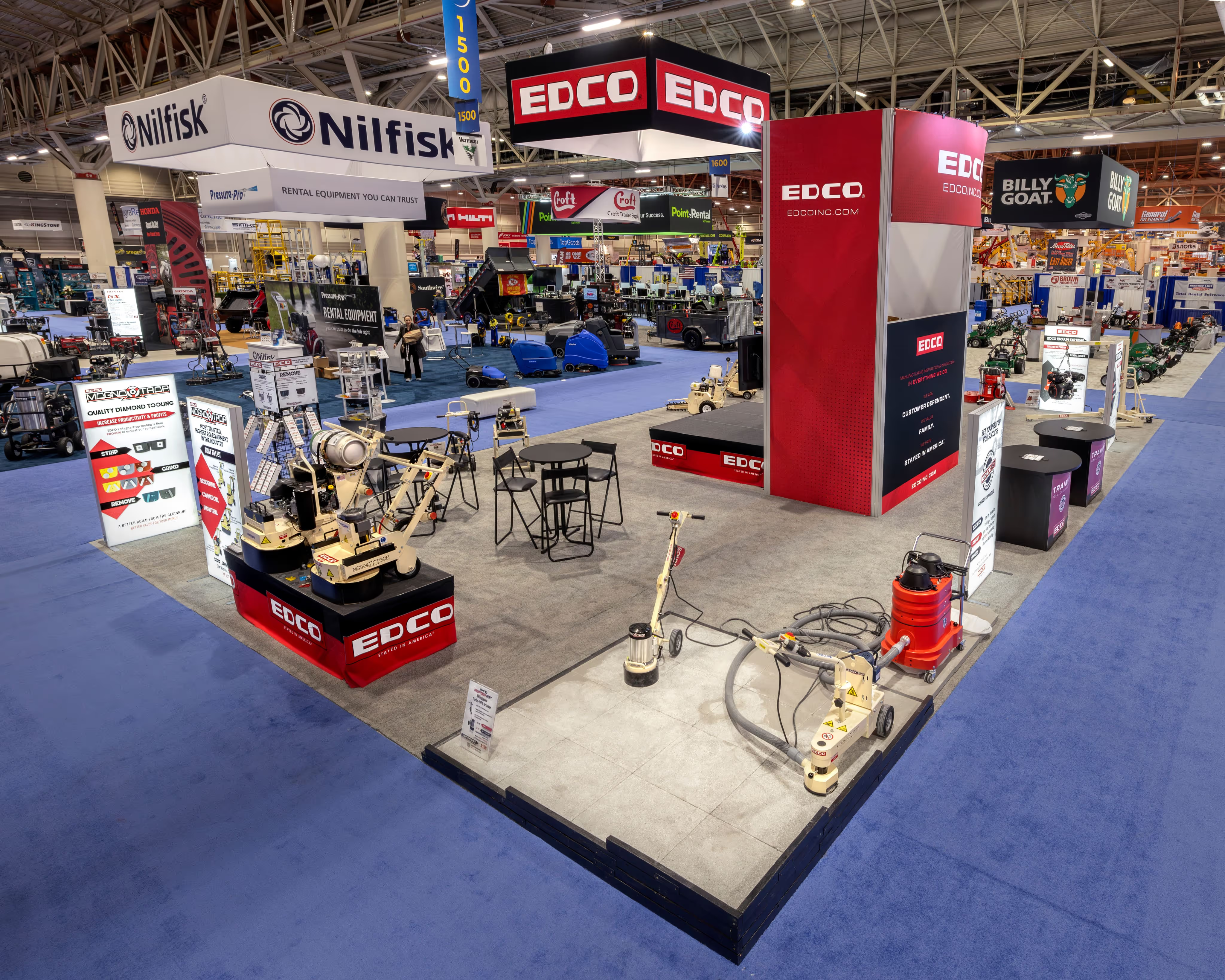
Open-concept booth brought machinery to life. Live demos and training increased engagement and positioned EDCO as industry leader.