
Business Success & Leadership
The Role of Convention Management Companies in Successful Event Planning

Georgea
March 12, 2025
Pulling off a large-scale event isn't just about booking a venue and sending invites. Behind every smooth-running convention is a team handling a thousand moving parts—scheduling speakers, managing vendors, troubleshooting last-minute issues, and ensuring attendees have a seamless experience. Convention management companies specialize in making all of this happen without a hitch.
But how do they do it, and what should you look for when hiring one? From pre-event planning to post-event analysis, this guide breaks down their role, the services they offer, and why they're essential for successful event execution. If you're planning a convention, knowing what these companies bring to the table can save you time, money, and stress.
Why Convention Management Companies Matter in Event Success
Organizing a convention sounds simple—pick a venue, send invitations, and set an agenda. But anyone who's ever managed one knows that's just the tip of the iceberg. Behind every seamless event is a network of moving parts: speaker coordination, logistics, vendor management, and, of course, handling the unexpected. That's where convention management companies step in, making sure everything runs smoothly from start to finish.
Their role goes beyond logistics. A well-managed convention doesn't just happen, it's engineered. These companies ensure that attendees have a frictionless experience, exhibitors get value for their investment, and organizers aren't buried under last-minute chaos. The result? Higher engagement, better brand reputation, and an event that people want to return to.
How Do They Make Events More Successful?
Instead of just handling logistics, these companies focus on:
- Efficiency: Managing schedules, staff, and operations to prevent delays.
- Attendee Experience: Ensuring seamless registration, wayfinding, and engagement.
- Vendor & Speaker Coordination: Handling contracts, setup, and on-site needs.
- Crisis Management: Preparing for technical issues, weather disruptions, or no-show speakers.
A perfect example? CES (Consumer Electronics Show). Every year, CES welcomes thousands of attendees, exhibitors, and media representatives from around the world. With so many elements in play, expert convention management is crucial. From ensuring tech demos go off without a hitch to coordinating massive exhibitor spaces, these professionals work behind the scenes to turn chaos into a streamlined experience.
Whether you're planning a small industry summit or a global trade show, working with convention management companies isn't just helpful—it's the difference between an event that flows and one that falls apart.
Core Services Offered by Convention Management Companies
Convention management isn't just about keeping an event on schedule—it's about creating a seamless experience from start to finish. The best companies don't just react to problems; they anticipate them, plan for them, and ensure everything runs like clockwork. Their expertise spans four key areas: pre-event planning, on-site coordination, marketing and engagement, and post-event analysis.
Pre-Event Planning & Strategy
The foundation of a successful convention is built long before the first attendee arrives. Choosing the right venue, managing budgets, and handling vendor negotiations are just a few pieces of the puzzle. But it's not just about logistics—it's about crafting a strategy that ensures a smooth flow from one event segment to the next.
Take, for example, a major tech conference planning its annual summit. When choosing a venue, the organizers must balance attendee capacity, accessibility, and branding. A convention management company helps secure the ideal location, negotiates rates, arranges accommodations, and anticipates potential obstacles like transportation issues or local regulations.
What happens in this phase? A strong planning team focuses on:
- Venue selection & negotiation – Finding a space that aligns with event goals and attendee needs.
- Budgeting & cost control – Allocating funds efficiently to maximize impact.
- Speaker & exhibitor management – Coordinating contracts, scheduling, and technical needs.
- Scheduling & risk assessment – Mapping out key milestones and preparing contingency plans.
On-Site Logistics and Coordination
Ever been to an event where everything just works? No long lines, no technical hiccups, no confusion about where to go next. That's not luck—it's the result of meticulous on-site coordination.
During the event, management teams oversee everything: staff schedules, vendor setup, speaker arrangements, and last-minute troubleshooting. They ensure that sessions start on time, equipment functions properly, and exhibitors have everything they need. And when the unexpected happens—like a delayed speaker or a tech glitch—they resolve it before attendees notice.
At a global medical convention, for example, timing is everything. With international guests flying in, overlapping sessions, and live demonstrations requiring specialized equipment, even a minor delay can throw everything off. A strong convention management team anticipates these risks, adjusts in real-time, and ensures the event flows without disruption.
Key responsibilities during this phase include:
- Staff & vendor coordination – Managing event personnel and ensuring smooth collaboration.
- Time management – Keeping sessions and transitions on track.
- Crisis handling – Quickly resolving issues without disrupting the attendee experience.
- Attendee support – Providing guidance, answering questions, and troubleshooting issues on-site.
- Venue logistics – Overseeing setup, security, and accessibility needs.
Marketing and Attendee Engagement
A well-organized event means nothing if no one shows up. That's why marketing and engagement are a crucial part of convention management.
Beyond basic promotion, top event planners focus on creating an experience that keeps attendees interested before, during, and after the event. This might include targeted email campaigns, social media buzz, or strategic partnerships with industry influencers.
But engagement doesn't stop once the event starts. The best-managed conventions don't just host attendees; they involve them. Interactive sessions, networking opportunities, and even gamification elements (like scavenger hunts or leaderboards) help keep people engaged beyond just passively attending panels.
Think of a gaming expo where companies want to showcase new products. A convention management company would design the experience—leveraging AR/VR demos, influencer meet-ups, and live-streamed gameplay—to ensure attendees stay excited and exhibitors get maximum exposure.
Post-Event Analysis & Follow-Up
Once the last guest leaves, the work isn't over. The best-run events treat post-event analysis as a roadmap for future success.
Convention managers collect and analyze data: How many people attended? Which sessions were the most popular? What feedback did attendees provide?
For example, after a major financial summit, organizers might discover that networking sessions were more engaging than keynote speeches. That insight can shape the next event, prioritizing smaller, interactive sessions over lengthy presentations.
Beyond analytics, strong follow-up matters. The most effective post-event strategies include:
- Data collection & reporting – Tracking attendance numbers, engagement levels, and attendee demographics.
- Attendee & sponsor feedback – Gathering insights through surveys and direct outreach.
- Post-event content – Offering recorded sessions, highlights, and bonus materials to maintain engagement.
- Networking extension – Keeping communities active through online groups or follow-up discussions.
- Future strategy development – Using key insights to refine event planning for the next convention.
How to Choose the Right Convention Management Company
Not all convention management companies are created equal. Some specialize in corporate summits, others in large-scale expos, and some thrive in handling hybrid and virtual events. Finding the right fit for your event isn't just about hiring the most well-known name—it's about choosing a team that understands your goals, budget, and audience.
So, how do you make the right decision? It starts with knowing what to look for.
Questions to Ask Before Hiring a Firm
Before signing a contract, it's essential to ask the right questions. A convention management company can look great on paper, but its actual experience, tools, and problem-solving capabilities will determine whether it's the right fit.
Start with these key questions:
- Do they specialize in events like yours? A firm that primarily handles corporate retreats might not be the best fit for a high-energy consumer expo. Look at their past events to see if they align with your industry and audience size.
- What technology and tools do they use? Event management today relies on digital platforms for registration, scheduling, engagement, and analytics. Do they have experience with hybrid event platforms, AI-driven audience insights, or mobile event apps?
- How do they handle crisis management? No matter how well an event is planned, things go wrong—weather delays, AV failures, last-minute speaker cancellations. What's their track record in handling unforeseen challenges?
- Can they work within your budget? Some firms offer all-inclusive services, while others charge à la carte. Understanding their pricing structure upfront prevents surprises later.
- Do they have strong vendor relationships? A company with established industry connections can negotiate better rates and secure high-quality services for your event.
Comparing Costs vs. Value
Hiring a convention management company is an investment—but how do you determine if it's worth it? While pricing varies based on the event's size, location, and complexity, understanding how costs translate to value is key.
Let's break it down:
Flat-fee vs. percentage-based pricing – Some companies charge a set fee, while others take a percentage of the event budget. Knowing which model they use helps with financial planning.
Full-service vs. à la carte options – A full-service package might be ideal for large conventions, but paying for individual services could be more cost-effective if you only need assistance with logistics or marketing.
Hidden costs – Are travel expenses, overtime hours, or last-minute adjustments included in their quote? Ask for a detailed breakdown to avoid surprises.
ROI considerations – A good management team can increase attendance, improve sponsor satisfaction, and create a better attendee experience—all of which contribute to a stronger long-term event reputation.
A company that seems expensive at first might save you money in the long run by negotiating better vendor rates, preventing costly mistakes, and improving overall efficiency. Instead of just looking at the price tag, focus on the return on investment they bring to your event.
The Impact of Technology on Convention Management
Convention planning has come a long way from spreadsheets and endless phone calls. Today, technology is the backbone of event management, streamlining everything from registration to real-time audience engagement. Digital tools make the process more efficient and enhance the experience for attendees, organizers, and exhibitors alike.
How Digital Tools Improve Efficiency
Technology speeds up the planning process, reduces human error, and ensures that every part of a convention—whether in-person, virtual, or hybrid—runs seamlessly. Event management software centralizes everything, from scheduling to speaker coordination, so last-minute adjustments don't cause chaos.
Take registration, for example. Instead of attendees waiting in long lines with printed confirmations, digital check-in systems now allow instant access through QR codes. This small shift eliminates bottlenecks at entrances and frees up staff to handle more important tasks. Similarly, event apps provide attendees with personalized schedules, venue maps, and live updates, replacing outdated paper programs and improving the overall experience.
Beyond logistics, digital tools also help organizers make smarter decisions. Real-time analytics track attendee engagement, showing which sessions draw the biggest crowds and which networking areas see the most activity. These insights aren't just useful for that event—they shape future conventions, making each one more strategic than the last.
AI, Virtual Platforms, and Hybrid Event Solutions
As virtual and hybrid events grow in popularity, convention management companies are leveraging technology to make events more immersive and interactive. AI-powered networking tools now match attendees with similar interests, ensuring better connections. Chatbots handle frequently asked questions, guiding attendees through complex schedules without requiring extra staff.
Hybrid platforms have been a game-changer for large-scale conventions. International guests who once had to choose between attending in person or missing out entirely can now participate remotely. Some conferences even use augmented reality (AR) and virtual reality (VR) to create lifelike exhibition spaces, allowing remote attendees to "walk through" booths and interact with exhibitors as if they were there.
Why Hiring a Convention Management Company is a Smart Move
Planning a convention isn't just about logistics—it's about creating an experience that runs smoothly, engages attendees, and delivers real value. Convention management companies handle the heavy lifting, from venue selection to post-event analysis, ensuring every detail is covered.
The right team doesn't just prevent problems; they elevate an event, making it more efficient, immersive, and successful. Whether integrating cutting-edge technology, managing on-site operations, or optimizing budget allocation, their expertise translates into fewer headaches and better results.
For organizations looking to host impactful conventions without the stress of managing countless moving parts, partnering with a professional convention management company isn't an expense—it's an investment in success.






Featured Projects
Trending Article



November 24, 2025



November 6, 2025

November 6, 2025
Brand & Design
Georgea
The Hidden Power of a Trade Show Display Case: Turning Products Into Show-Stoppers
Your hero product deserves more than a corner on your booth. Yet at most trade shows, it ends up blending into the background, buried under signage, giveaways, and distractions. A well-placed trade…




Featured Projects
Featured Projects
-min.avif)

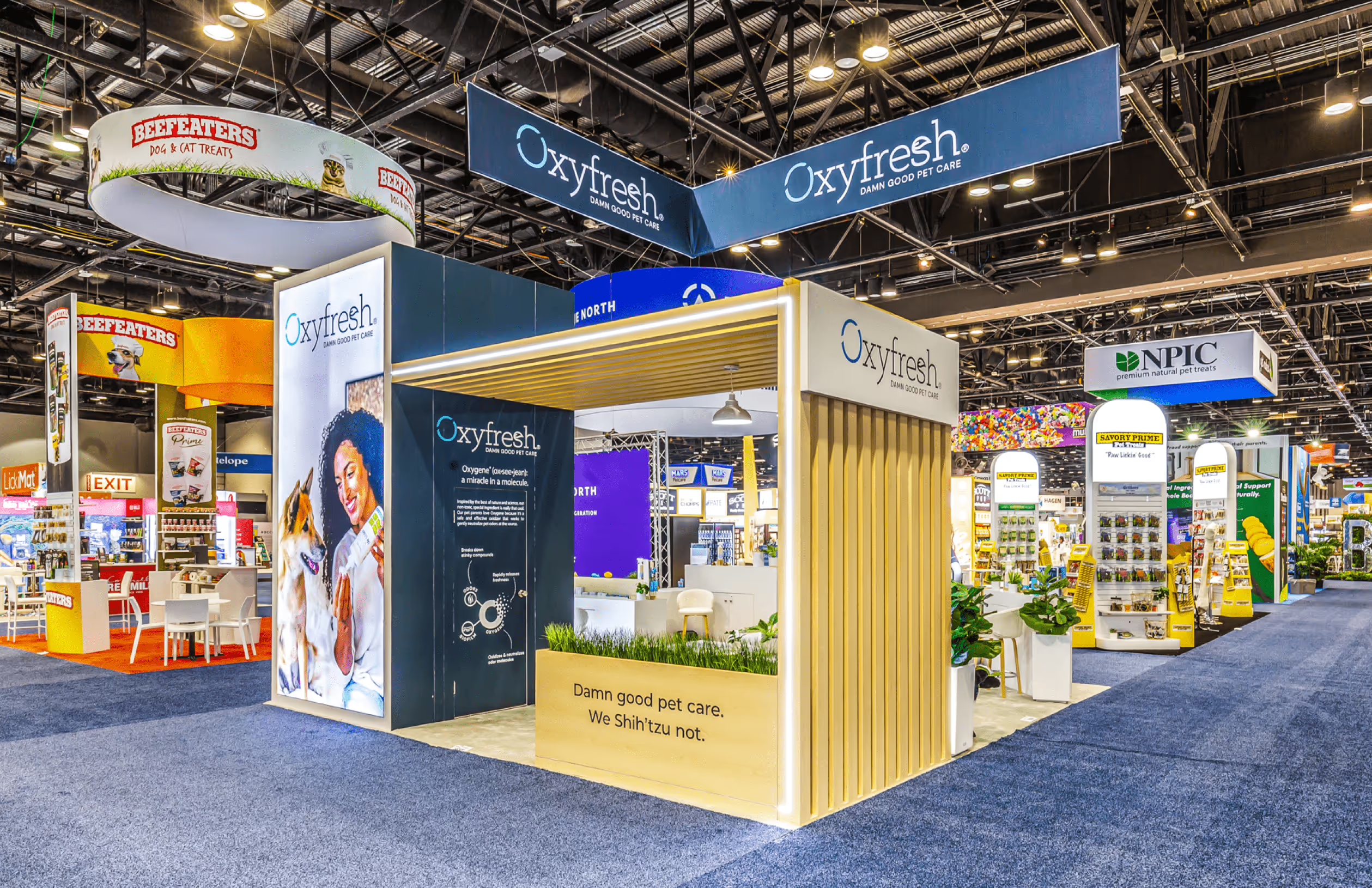
Custom exhibit design, ops & logistics saved over $26,500/year and elevated audience engagement at major shows.
3X - Custom booth design and layout strategy led to a 3X increase in lead capture at Natural Products Expo West.
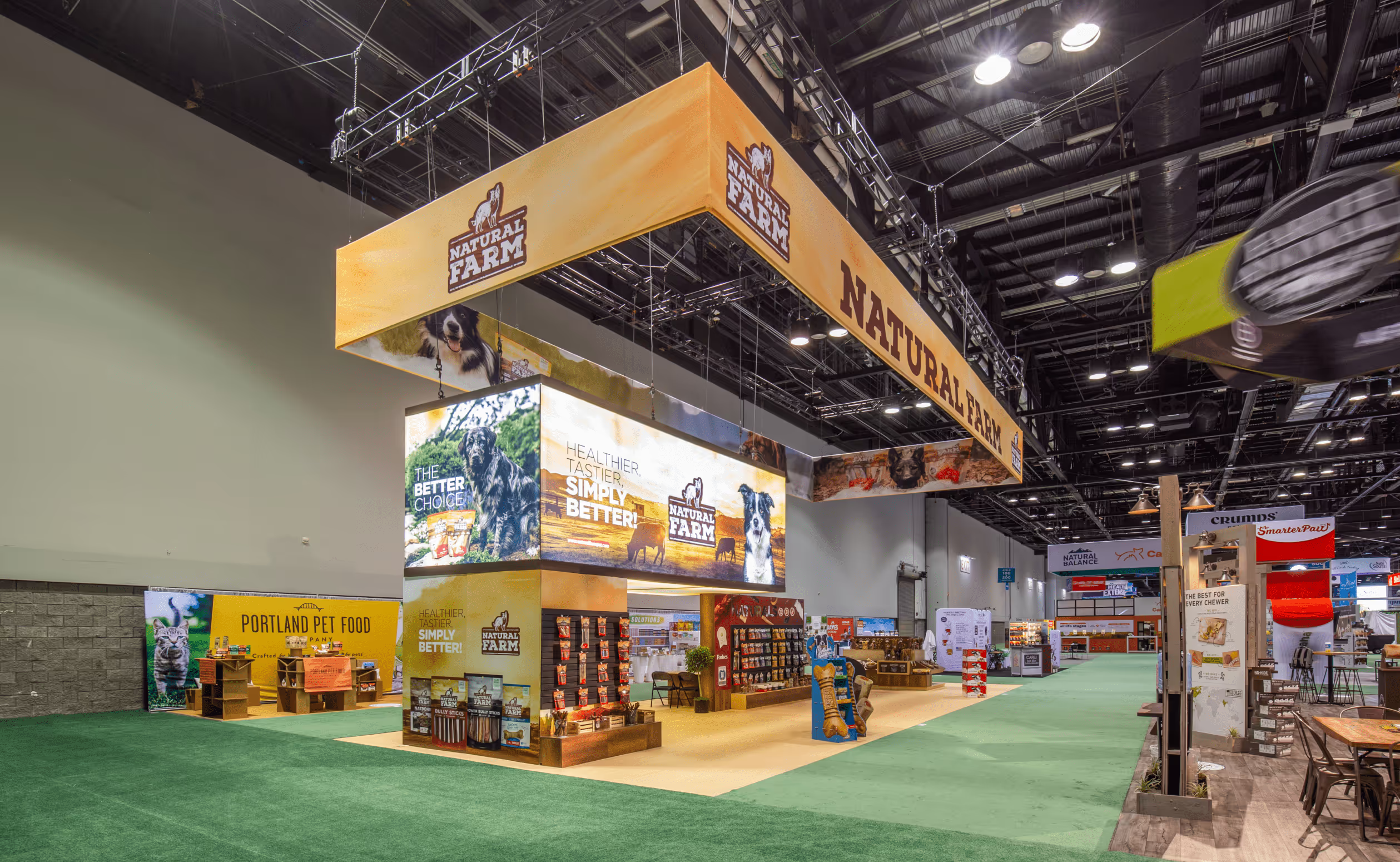

Logistics, staging, and communication were streamlined. EXHIB-IT turned chaos into order: cost control, smoother shows, and peace of mind.
Setup time cut in half. A 30×50 custom booth reduced labor by 192 hours and boosted vendor visibility across the ARA floor.
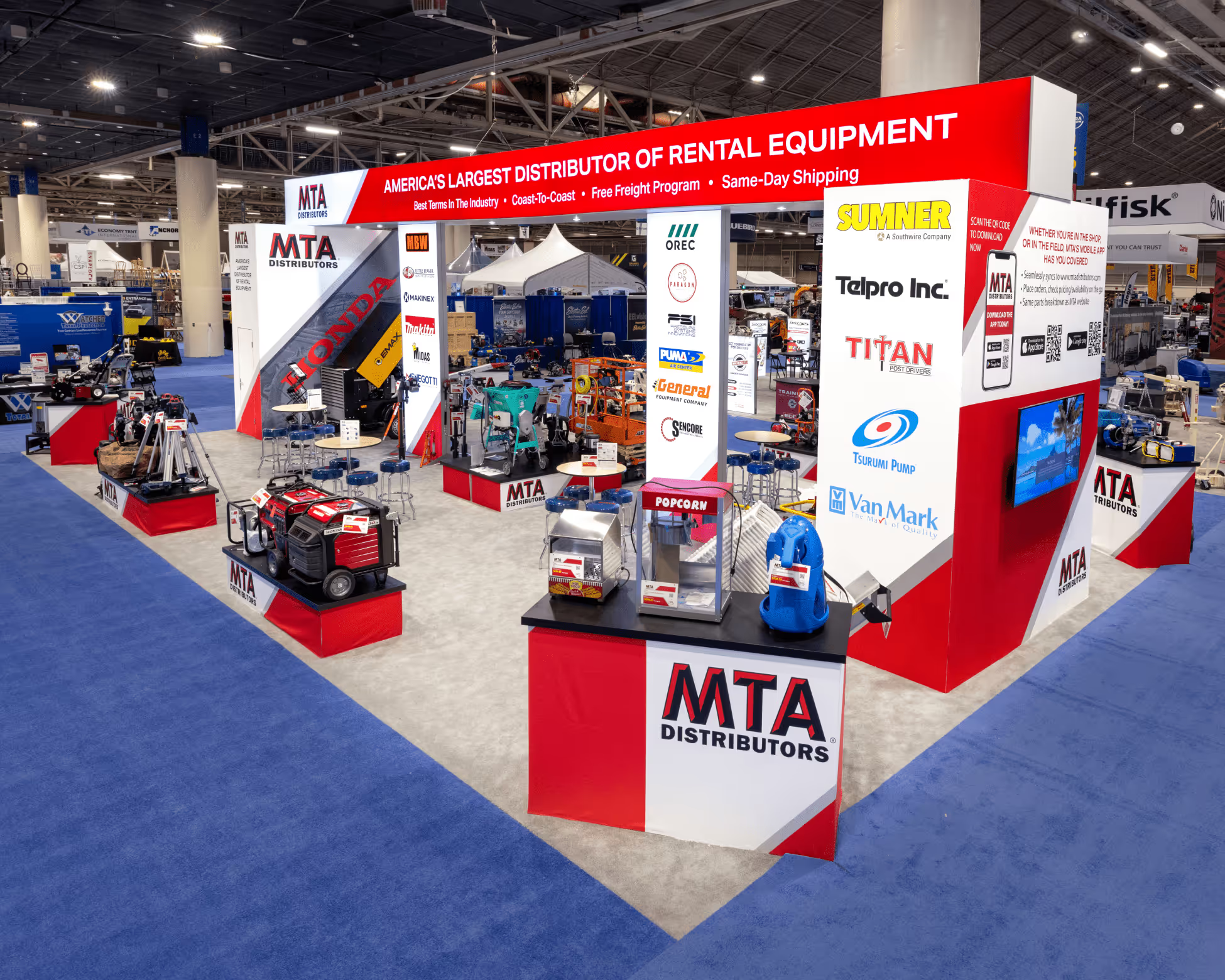
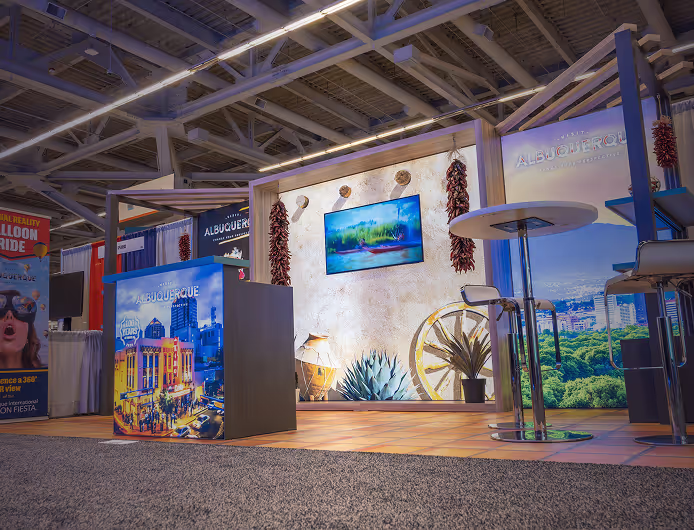
Immersive, culture-first design turned a 20×10 space into a showcase of New Mexico, with adobe textures, local art, and community pride.
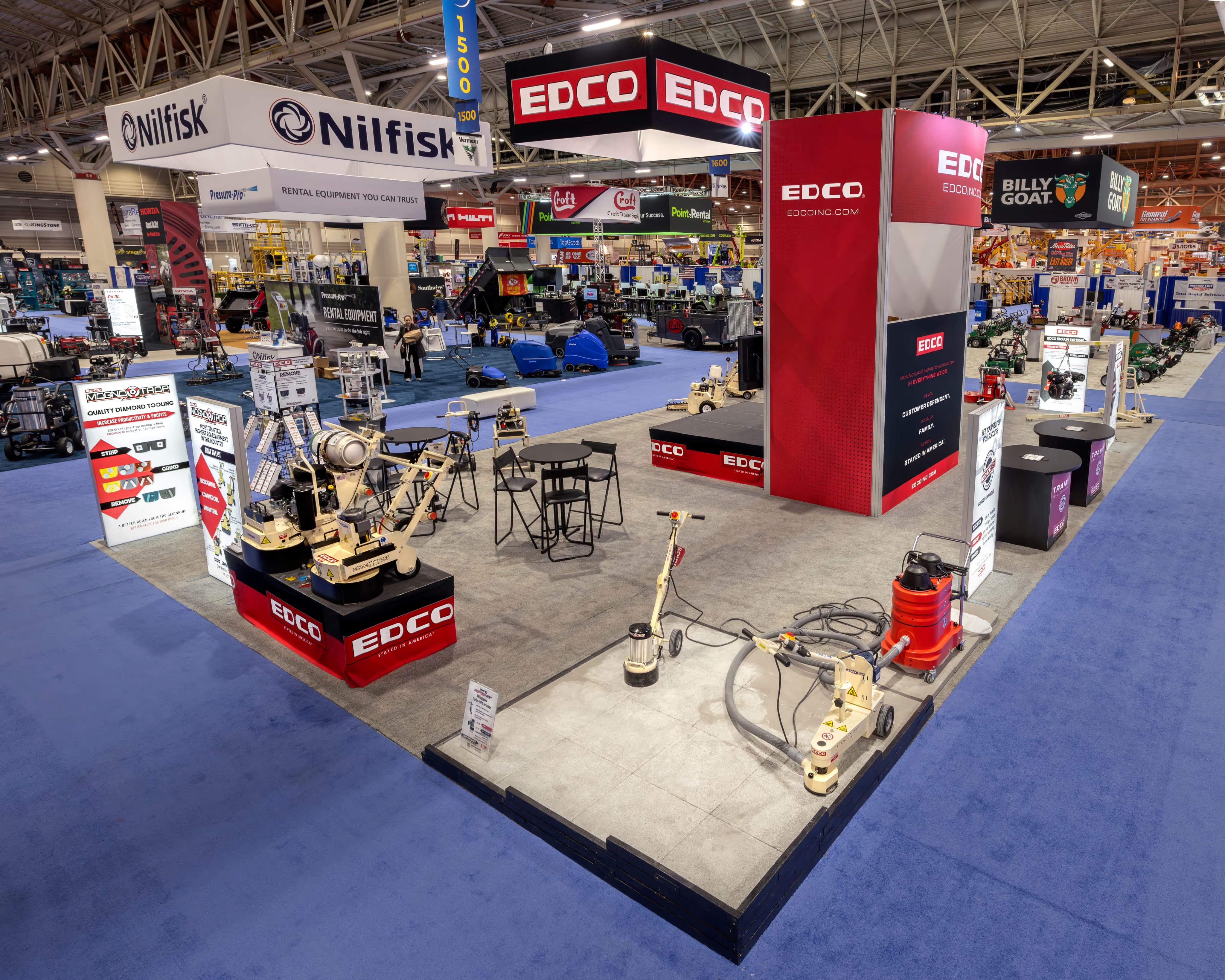
Open-concept booth brought machinery to life. Live demos and training increased engagement and positioned EDCO as industry leader.