
Trade Show Success
Mastering Pre-Event Planning: Key Exhibition Logistics for Exhibition Success

Georgea
January 23, 2025
Exhibition logistics are the backbone of any successful trade show or event. They ensure that every detail, from planning and transportation to setup, is handled seamlessly. Proper pre-event planning lays the groundwork for a stress-free exhibition day, allowing your team to focus on what truly matters: engaging with attendees and showcasing your brand. This guide explores the critical elements of pre-event logistics and provides actionable tips to help you stay organized and prepared.
The Key Elements of Exhibition Logistics
Exhibition logistics is not a one-step process; it's a series of interconnected components that must be carefully managed. The logistics process begins the moment you commit to an exhibition. Understanding the key elements that make up a successful logistics plan will help you navigate each stage, ensuring that no detail is overlooked, and everything runs according to plan. Let's break down the crucial steps in this process.
Planning and Coordination
Effective exhibition logistics begin long before the first item is shipped to the event venue. The initial planning phase is critical for setting the foundation for everything that follows. This stage is where timelines are established, tasks are delegated, and expectations are aligned.
Timeline Management: Setting Deadlines for Each Phase
Creating a detailed timeline is essential for staying on track. Start by breaking down the logistics process into phases, from booth design approval to final breakdown at the end of the event. Each phase should have its deadlines and milestones to ensure progress is made consistently. For example, shipping deadlines should be set early to allow time for potential delays, while booth setup schedules need to be aligned with venue restrictions. A well-organized timeline helps minimize stress and prevents critical tasks from slipping through the cracks.
Coordination with Vendors and Suppliers
Effective communication with vendors and suppliers is the backbone of successful exhibition logistics. Clear communication ensures that everyone is on the same page, whether it's coordinating with your booth designer, a shipping company, or the venue staff. Suppliers need to know exactly what is required and when, and any potential issues or changes should be flagged early to avoid surprises. Coordinating the delivery of materials, the setup of the booth, and any on-site services (such as AV or technical support) requires collaboration and frequent check-ins to ensure everything happens on schedule.
Key Questions to Ask Before You Begin
Before diving into the logistics process, ask yourself (and your team) some key questions to ensure you're fully prepared. These include:
- What are the specific event deadlines? Know when the booth needs to be ready for setup and when it must be fully packed up after the event.
- What resources are available on-site? Understand what the venue offers, such as equipment, labor, and storage, and identify any external services you need to arrange.
- What is the risk of delays? Identify any potential roadblocks, such as shipping timeframes, customs clearance, or special handling requirements, and plan accordingly.
- Who will manage each part of the process? Assign specific team members or external partners to oversee particular logistics tasks, such as transport, setup, or on-site troubleshooting.
Asking these questions upfront will ensure you have a clear plan and help you avoid surprises. Planning and coordination set the stage for a smooth exhibition logistics process, making the entire event experience more manageable.
Transport and Shipping
Transport and shipping are integral parts of exhibition logistics, often representing the most high-stakes aspect of the entire process. Ensuring your materials arrive safely, on time, and in the right condition is paramount. Even a small shipping issue can lead to delays, missed opportunities, or a less-than-ideal exhibition experience. Proper planning and coordination during the shipping phase help prevent these pitfalls.
Choosing the Right Shipping Method
When selecting the shipping method, consider factors like cost, speed, reliability, and the size/weight of the items. Standard shipping services might suffice for smaller or lighter materials. However, specialized services, such as freight or white-glove delivery, are often necessary for larger or more delicate items. It's crucial to select a shipping provider that has experience handling exhibition materials and can meet your timeline requirements. Using a carrier with experience in handling large-scale events reduces the risk of delays or damage to critical materials.
Handling Fragile Materials and Equipment
Extra care is needed during transport for fragile or sensitive items. This includes using appropriate packaging materials like foam, bubble wrap, or custom crates designed for specific items. Additionally, you may need to arrange for specialized handling services, such as temperature-controlled shipping or insurance for high-value items. Clear label fragile items and ensure your shipping provider is fully aware of their sensitivity. This will help prevent mishandling and reduce the chances of damage during transit.
International Shipping Considerations
If your exhibition involves international shipping, there are additional complexities to consider. Customs clearance, import/export regulations, and country-specific handling procedures must be factored into your timeline. International shipping often requires advance planning, as items may be subject to inspection, taxes, or duties. Working with a logistics provider who is well-versed in international exhibitions and can help you navigate the paperwork, avoid delays, and ensure compliance with all relevant regulations is essential. Always build extra time for smooth international shipping for potential customs processing delays.
Pre-Exhibition Logistics
The pre-exhibition phase is critical to ensure everything is in place before the event. Proper planning at this stage can help avoid last-minute problems and streamline the logistics process.
Finalizing Event Details with Organizers
Before any logistics planning can occur, it is essential to confirm all event details with the organizers. This includes verifying the exhibition schedule, booth location, space dimensions, and event-specific requirements (e.g., internet access, electricity, or booth furniture). Ensuring these details are in place early on will give you a clearer understanding of the resources and logistics you'll need for the event.
Shipping and Transport Preparation
Once you know the event details, it's time to prepare for shipping. Depending on the size of your booth, equipment, and materials, you'll need to select the right shipping method. Consider whether you need to ship materials internationally or domestically and choose a transport partner experienced with exhibitions. For custom booths, ensure proper packaging and labeling to avoid damage during transit.
Remember to account for transport logistics such as loading docks, access points, and potential delays. Confirm delivery windows with your shipping company and the event organizers to ensure everything arrives on time.
Preparing Booth Design and Materials
While coordinating shipping, finalize your booth design, signage, and any marketing materials you'll display. Ensure that the booth is built to meet your specifications and that all materials, such as promotional flyers, product samples, and giveaways, are prepared in advance.
Create a checklist for each booth component and confirm that each item is packed and ready for transport. If your booth features technology or interactive displays, ensure that all equipment is functioning and that you have all the necessary cords, tools, and accessories.
Scheduling Setup and Breakdown Times
Establish a clear booth setup and breakdown timeline with the event organizers and your team. Setup and teardown may take several hours or days, depending on the exhibition size. Ensure that your team knows when they should arrive to begin the setup and when they'll need to pack up at the event's conclusion. A precise schedule will help you stay on track during the event.
Pre-event planning is the cornerstone of successful exhibition logistics. By carefully managing timelines, coordinating with vendors, and addressing key questions early, you can set your team up for success. Effective transport and shipping strategies ensure that all materials arrive safely and on time, while a detailed pre-exhibition checklist keeps everything organized.
With a solid logistics plan in place, your team can focus on creating memorable experiences and achieving your event goals. Mastering these foundational elements of exhibition logistics reduces stress and positions your brand for success on the big day.





Featured Projects
Trending Article



November 24, 2025



November 6, 2025

November 6, 2025
Brand & Design
Georgea
The Hidden Power of a Trade Show Display Case: Turning Products Into Show-Stoppers
Your hero product deserves more than a corner on your booth. Yet at most trade shows, it ends up blending into the background, buried under signage, giveaways, and distractions. A well-placed trade…




Featured Projects
Featured Projects
-min.avif)


Custom exhibit design, ops & logistics saved over $26,500/year and elevated audience engagement at major shows.
3X - Custom booth design and layout strategy led to a 3X increase in lead capture at Natural Products Expo West.
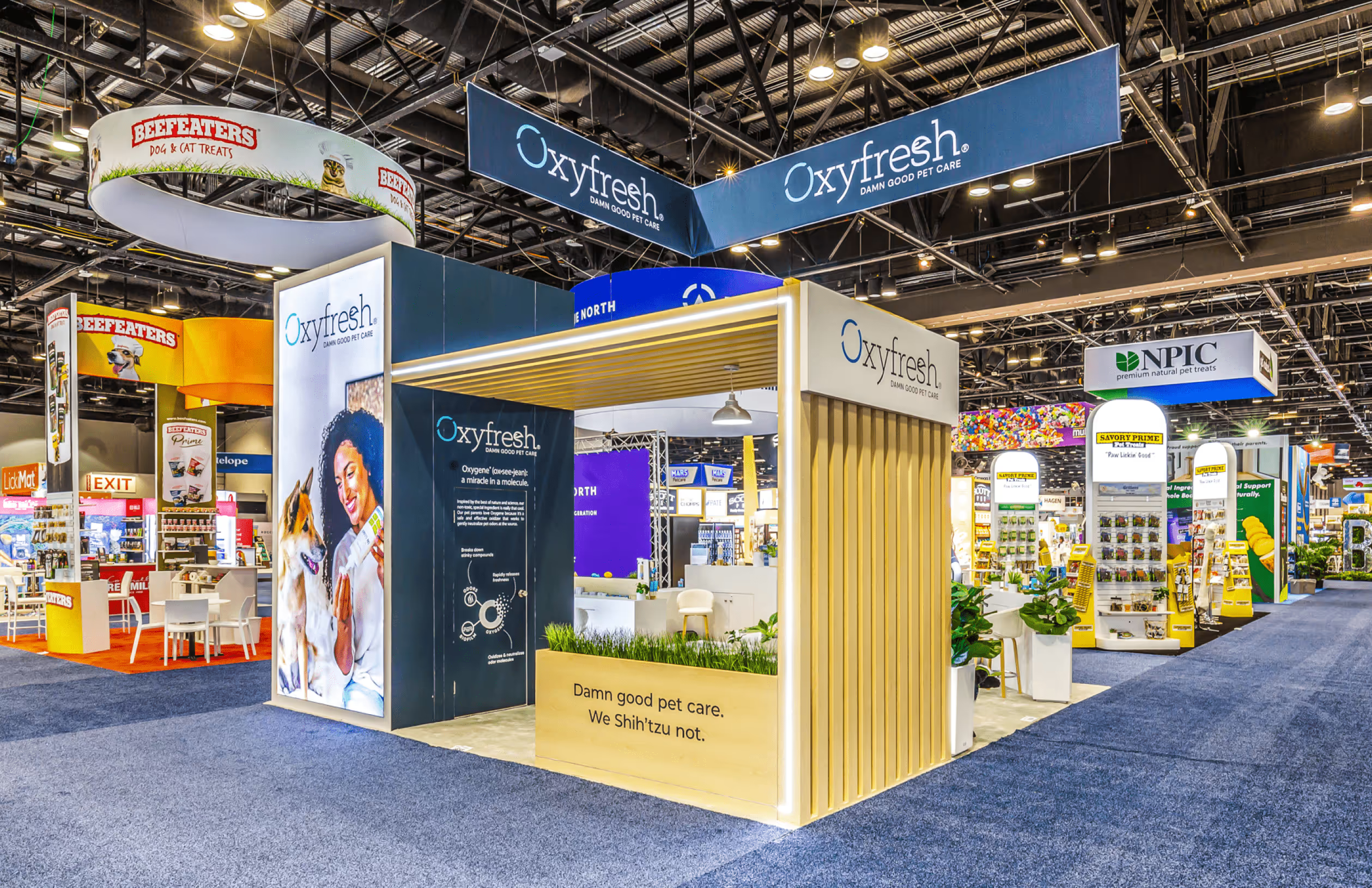

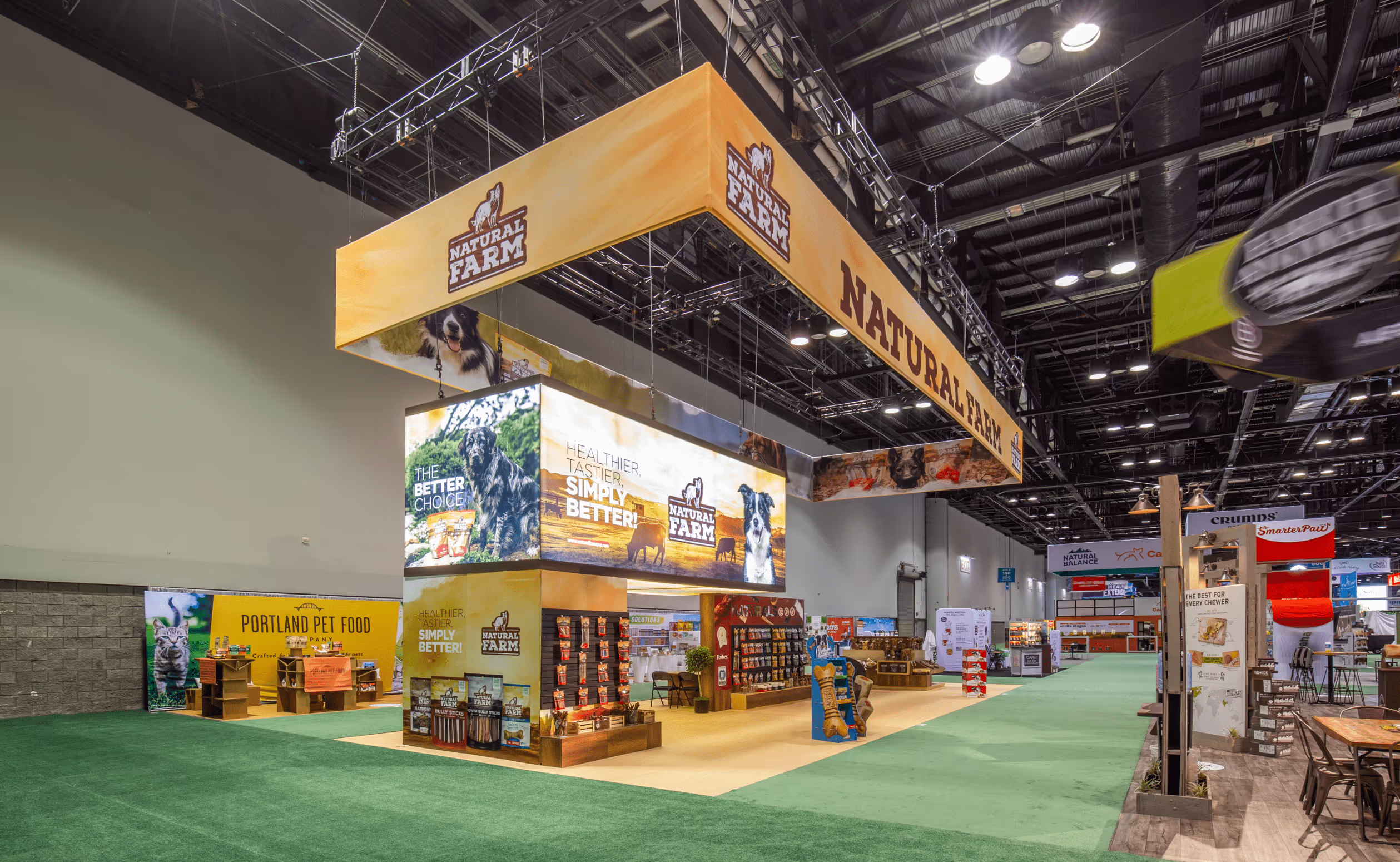

Logistics, staging, and communication were streamlined. EXHIB-IT turned chaos into order: cost control, smoother shows, and peace of mind.
Setup time cut in half. A 30×50 custom booth reduced labor by 192 hours and boosted vendor visibility across the ARA floor.
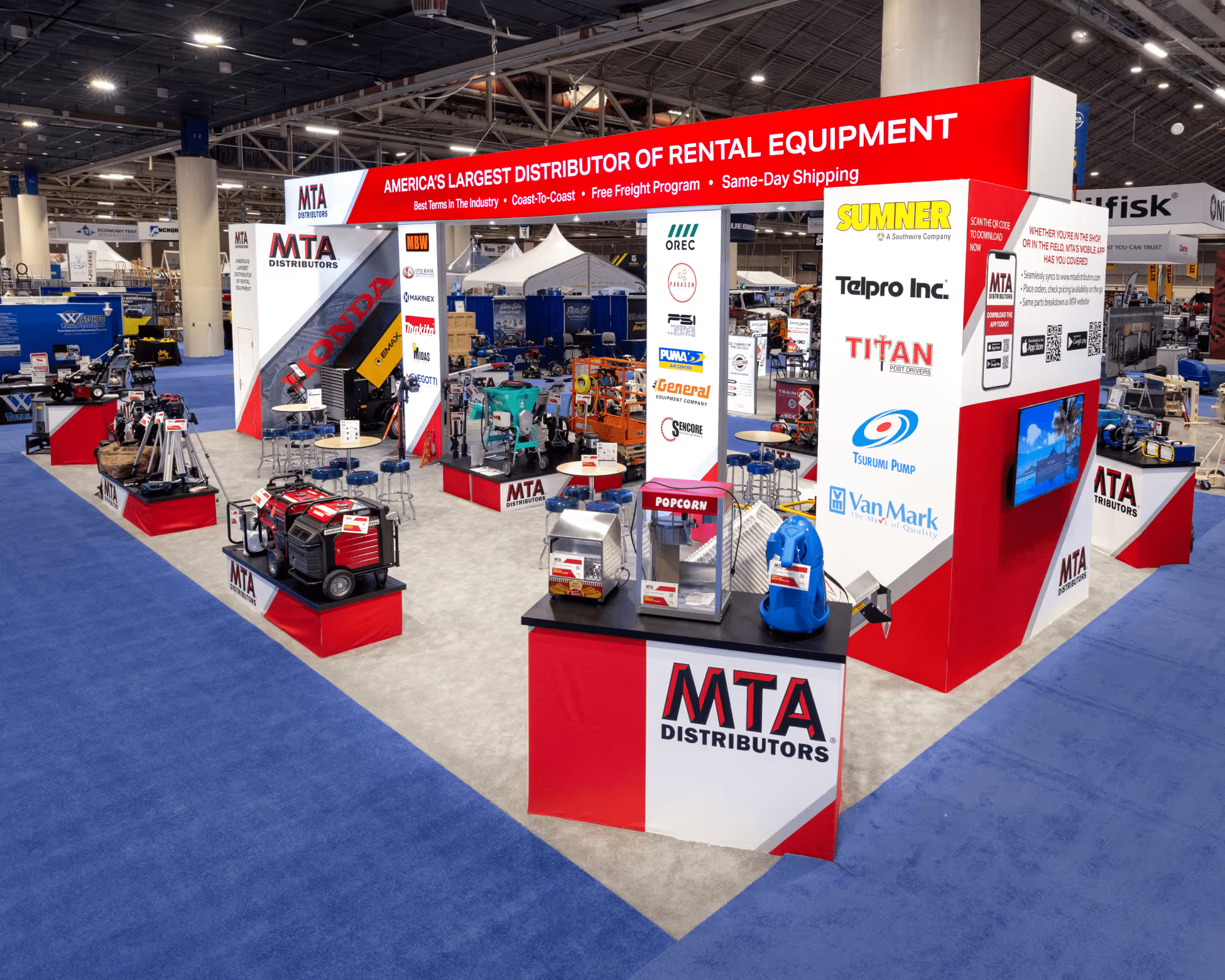

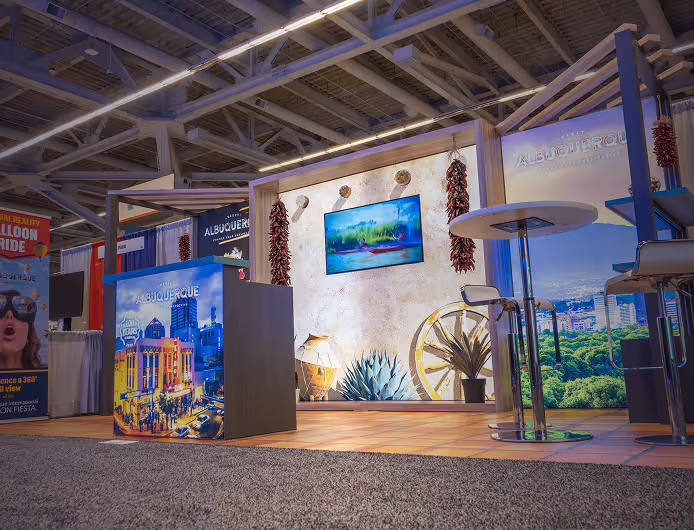

Immersive, culture-first design turned a 20×10 space into a showcase of New Mexico, with adobe textures, local art, and community pride.
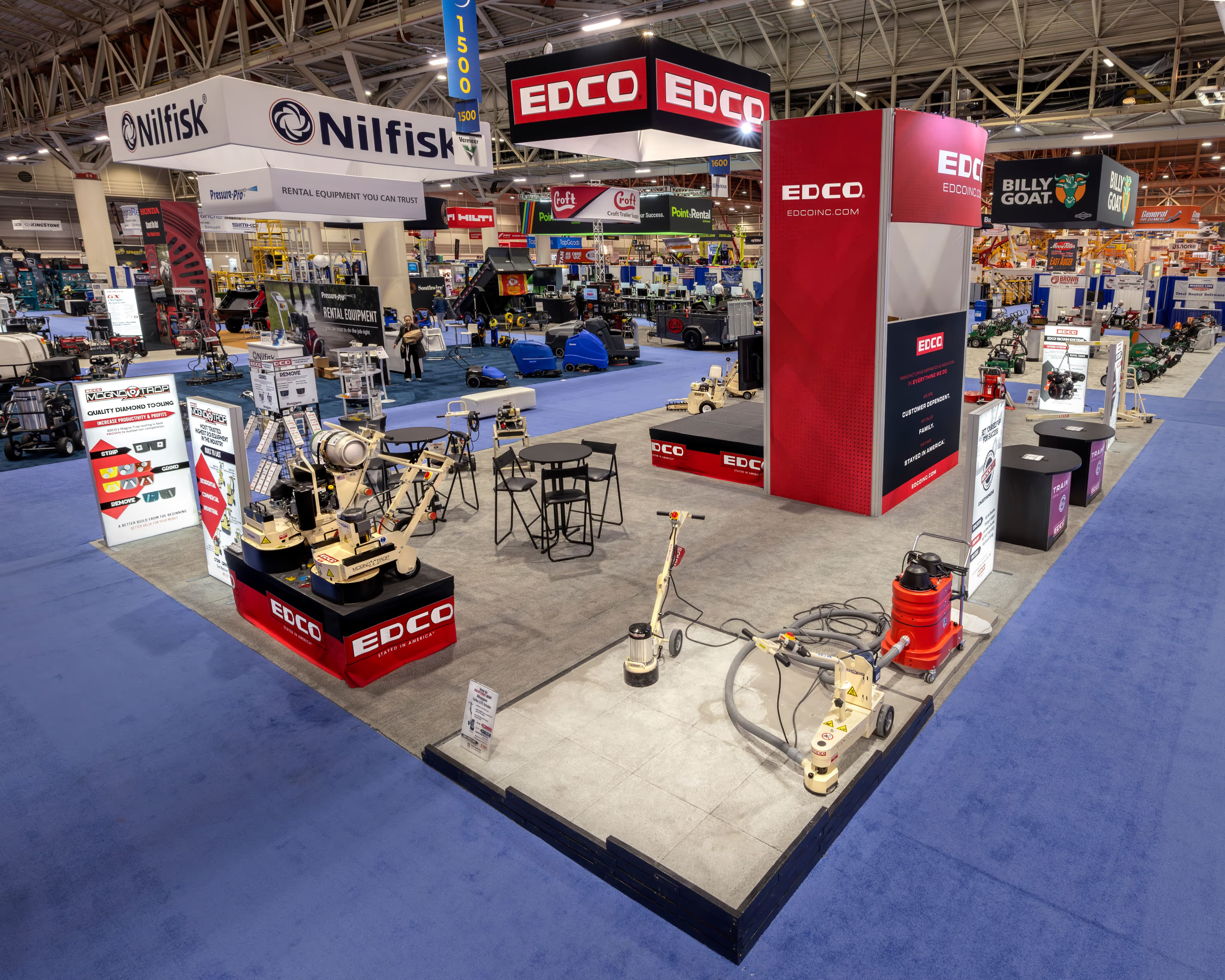
Open-concept booth brought machinery to life. Live demos and training increased engagement and positioned EDCO as industry leader.