
by Georgea
January 9, 2026


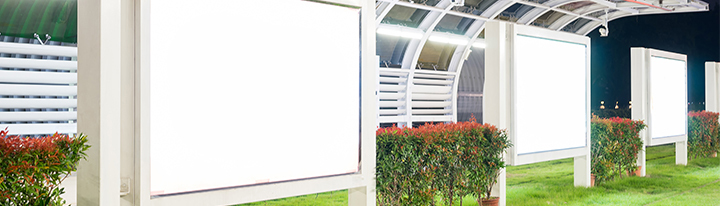
Outdoor events are unpredictable — the weather, the setup conditions, the crowd. That’s exactly why your display setup needs to be reliable, visible, and well thought out. It’s not just about having something on the ground; it’s about having the right combination of display tools that actually support your event goals.
The supply of outdoor displays includes everything from tents and gazebos to flags and branded signs. But with so many options, knowing what to choose—and why—can be the difference between showing up prepared and struggling to make an impact.
In this article, we’ll cover the most important considerations when selecting outdoor displays, the types of products that tend to work best for specific setups, and how to approach the decision practically and effectively
Outdoor displays are the visual and structural elements that help you stand out in open-air settings — whether it's a trade show, local festival, product launch, or corporate event. They’re built to do two things well: catch attention and handle outdoor conditions.
The main types of outdoor displays include:
What you choose depends on the event, the space, and the type of interaction you want with visitors. Some setups might call for a full tent, flags, and signs working together. Others might rely on a smaller footprint with just a branded gazebo and directional signage. Either way, these elements make up the core of a strong outdoor presence.
Before you choose a single display, think about the bigger picture: what’s the goal of your presence at this event? Too often, teams jump into selecting tents or flags without first considering what they’re trying to achieve — and that’s usually how displays end up looking mismatched, underutilized, or completely ignored.
Ask yourself a few key questions:
Every element — flag, tent, sign, or otherwise — starts working harder when your layout supports your goals from the beginning. The strategy helps you avoid over-purchasing displays that don't get used or, worse, under-preparing and scrambling to adapt on event day.
No single display fits every event. The best setups combine a few key elements based on the layout, audience, and what you need to communicate. Here’s a closer look at common outdoor display types and how to use them effectively — whether you’re setting up for a one-day pop-up or a multi-day expo.
Flags are ideal for visibility — they’re tall, always in motion, and hard to miss from a distance. Use them near entrances, along walkways, or on the outer edge of your booth space. They don’t take up much room and work well even when working with limited square footage.
They’re also flexible. Whether you choose feather, teardrop, or rectangular shapes, most have options for single—or double-sided printing, making them useful for branding and directional signage.
If your booth is the core of your setup, the tent is its roof. A high-quality tent provides shade, protection, and—equally important—branding space. You can print your logo across the canopy, add custom sidewalls, and create a clean, enclosed area for demos, samples, or meetings.
Tents come in various sizes, from compact 10x10s to larger multi-section builds. Make sure to choose one with weather-rated materials and easy setup options (especially if you’re managing things with a small team).
Compared to standard pop-up tents, gazebos offer more stability and structure. They’re a solid choice when you need a bit more space or want to create a clearly defined, semi-enclosed environment.
Think of them for multi-day events, setups with multiple activation zones, or when you’re looking to create a more polished and permanent-feeling space outdoors. Many models allow for custom branding on the roof and panels, so you still get all the visibility benefits.
A-frames, poster stands, and banner holders might seem like small pieces, but they do a lot of work. Use them to show a schedule, display pricing, offer directions, or highlight a featured product.
They’re easy to move, update, and position wherever needed. In windy areas, just make sure they’re properly weighted or have built-in stability for your signs.
Different events call for different combinations, but one thing stays consistent: your display setup should look cohesive, support your message, and actually hold up outdoors. Mixing and matching display types gives you flexibility without overcomplicating the setup.
You’re not just buying a tent or a flag—you’re buying peace of mind that your setup will look sharp, function smoothly, and hold up throughout the entire event. That depends on choosing the right supplier, not just the right product.
This should be your first question. Just because something’s labeled “outdoor-friendly” doesn’t mean it’s built for real conditions. You want displays that can hold their shape in strong sunlight, resist wind gusts, and shrug off a passing rain shower.
If the supplier can’t explain what the display is made of — or worse, uses vague phrases like "weather-resistant" without offering specs — that’s a red flag.
Customization shouldn’t feel like an afterthought. A good supplier should be able to show you past examples, offer mockups, and explain what areas of the display can be printed — and how. It’s not just about slapping a logo on a tent. It’s about turning the entire setup into a visual extension of your brand.
Here’s what to ask for:
If it’s unclear where your branding goes or how it will look in context, keep shopping.
Things go wrong. Maybe your event date shifts, something arrives damaged, or you realize your layout needs tweaking. Customer support often makes the difference between a smooth recovery and a last-minute scramble.
Some suppliers are responsive, give clear timelines, and help with layout suggestions. Others disappear the second your card clears. Go with the ones who are willing to walk through your needs with you — not just process your order.
And one more thing: make sure you know what’s actually included. Does that tent come with a carry bag? Are the signs weighted or do you need to add ballast? The small stuff becomes big when you’re trying to get set up in a crowded parking lot with 30 minutes to spare.
There’s no shortage of outdoor display options, which means it’s easy to pick the wrong ones, especially when you're moving fast or managing a tight budget. These are some of the most common mistakes people make when ordering displays for outdoor events:
Mistakes like these aren’t always obvious until it’s too late. The goal isn’t to buy the most — it’s to buy what actually works for your space, your staff, and your goals.
Different outdoor events call for different display strategies. Instead of taking a one-size-fits-all approach, match your setup to the environment, your goals, and how people will engage with your space. Here are a few common scenarios and what usually works best:
These are often fast-paced and casual. Go for a compact tent or gazebo, a couple of flags to catch the eye from across the lot, and an A-frame sign for pricing, menus, or quick updates. You’ll want something that’s easy to set up and still looks clean.
Here you’re aiming for a polished, branded presence. A fully printed tent acts as your anchor, while well-placed signs and flags help you stand out from the rows of other booths. Think about how attendees will move through the space — and make sure they have room to stop and engage.
When the goal is visibility and engagement, structure matters. A large tent or branded gazebo creates a central hub, while tall flags and printed signage help guide attention and communicate your message from a distance. These setups benefit from a little more planning — and visual consistency across every element.
Whether it’s a concert, race, or festival, your booth might be one of many — so standing out without overcomplicating things is key. Go light but strong: a clean tent, bold flags at high-traffic points, and maybe a freestanding sign with your core offer or message.
Each event has its own rhythm. The displays you bring should match it — not fight it.
Outdoor events can be unpredictable, but your display setup shouldn’t be. When you take the time to plan, align your setup with your goals, and choose pieces that actually fit the space and conditions, the results show — in visibility, engagement, and overall impact.
Whether it’s a simple community booth or a large-scale expo presence, your setup says a lot about your brand before you’ve even said a word. And that all starts with choosing the right supply of outdoor displays — not just what’s available, but what’s going to work for your event, your audience, and your message.
The goal isn’t to impress with volume — it’s to be seen clearly and remembered easily.
Georgea
Georgena