by Georgea
January 9, 2026


Trade show production is the backbone of any successful exhibition. While marketing draws people in, it is the production quality that determines the experience. Trade shows are designed to create experiences that capture attention, drive engagement, and turn interactions into measurable results. However, success begins long before the booth is set up. From booth design, electrical, and AV setup to complex logistics and on-site coordination, trade show production requires meticulous planning and flawless execution.
Every element of your trade show presence should align to create a cohesive and impactful experience. A well-executed strategy focuses on creating an environment that encourages action and leaves a lasting impression.
Effective trade show production is a combination of multiple elements working seamlessly together. The success of your booth depends not only on its design but also on careful planning and coordination throughout the entire process. Every component must be carefully thought out to ensure the best possible results, from booth design to on-site execution.
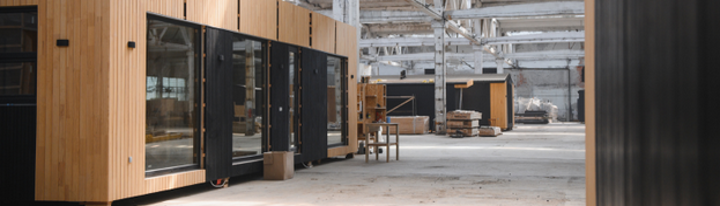
The booth design is the first thing that will either attract or turn away visitors. However, production extends beyond just the appearance; it involves the structural engineering necessary to bring that look to life. A well-designed booth, whether custom or modular, needs to create a strong visual impact while staying true to your brand’s message and goals. Custom booths provide flexibility and unique aesthetics, allowing you to reflect your brand identity more effectively. Modular designs offer the advantage of adaptability for different events, reducing costs over time while maintaining a high-quality look.
Why it matters: A booth that aligns with your brand identity communicates professionalism and clarity to visitors, it ensures that everything from the structure and rigging to the color palette speaks directly to your audience, leaving a lasting impression.
Technology is a powerful tool for captivating your audience and increasing engagement, but it requires precise technical production. The use of AV elements, such as screens, lighting, sound, and digital kiosks, can transform your booth from a static display into an interactive experience. This requires managing electrical drops, internet bandwidth, and cable management. Whether it’s showcasing videos, live product demos, or interactive product configurators, technology enhances the visitor experience and keeps them engaged longer.
Why it matters: Interactive features capture attention and make your booth more memorable. Real-time engagement also increases the chances of converting visitors into leads, making it a vital component of any trade show booth.
Once your booth is designed, it’s time to ensure that everything arrives on time and in perfect condition. This includes the transportation of booth materials, handling of drayage (material handling), and compliance with venue regulations. On-site coordination is essential to ensure that installation and dismantling (I&D) teams set up everything on time and in the correct location. Timely execution can make the difference between a smooth show experience and a chaotic one.
Why it matters: Proper logistics and shipping prevent last-minute stress and delays. Effective on-site coordination ensures that your team can focus on engaging with visitors rather than dealing with technical issues, missing crates, or setup problems.
Even the best-designed booth will fail if the team behind it is not prepared. Your staff plays a critical role in the booth’s success. They should be well-trained in booth etiquette, product knowledge, and lead capture strategies. Building a high-performing trade show team ensures that your investment in production yields quality interactions. A team that communicates effectively and knows how to engage visitors can make a significant impact on your results.
Why it matters: A well-prepared team ensures that every visitor’s experience is consistent, engaging, and productive. Whether guiding attendees through the booth, answering questions, or capturing leads, your staff directly influences the booth’s success and the quality of the conversations you have.
When it comes to trade show production, several potential pitfalls can derail an otherwise well-planned event. Without a strong strategy and careful execution regarding show services and timelines, even the best designs can falter. Here are the most common mistakes that can hurt your booth’s performance, and how to avoid them.
One of the biggest challenges exhibitors face is delays due to late shipments or incomplete equipment. If your booth materials don’t arrive on time, or if essential components are missing due to shipping errors, your setup will be delayed. This wastes valuable time, leading to stress and rushed preparations.
How to avoid it: Work with a company that has a reliable logistics system and a clear delivery timeline. Make sure you have backups for critical components and confirm delivery schedules and marshaling yard times in advance.
Even the most impressive booth design can fail if it doesn’t guide visitors through the space in an intuitive way. Poor layout design can cause confusion, leading visitors to walk away without engaging with your products or team.
How to avoid it: Ensure that your booth layout has a clear flow, with designated spaces for product displays, staff interactions, and demos. Consider how visitors will naturally move through the space, accounting for flooring and furniture placement, and design accordingly.
Having a booth full of staff is great, but if they’re not working together effectively, you may miss opportunities to engage with visitors. Poor coordination can lead to wasted interactions, missed leads, and confusion for attendees.
How to avoid it: Train your staff in booth flow and engagement strategies. Ensure they understand the booth’s layout, message, and objectives. Proper staff coordination can turn every visitor interaction into a meaningful opportunity.
Effective trade show production goes far beyond just creating an eye-catching booth. When executed well, it can directly impact your return on investment (ROI) and leave a lasting impression of your brand. Every decision, from booth design to logistics, affects not only the number of people who visit your booth but also how they engage with your brand and the conversations that follow.
A well-executed trade show production strategy attracts more qualified visitors. When your booth is designed to engage and lead visitors through a clear, purposeful experience, conversion rates increase. Efficient lead capture systems ensure that the people you engage with are the ones most likely to move forward in your sales pipeline. A well-planned production strategy maximizes your ROI by converting foot traffic into actionable leads that drive real business outcomes. The booth may draw attention, but how you manage visitor engagement and capture those leads will drive your results.
When your booth is designed and executed professionally, it communicates your brand’s credibility and expertise. A consistent design that aligns with your messaging and values reinforces your brand identity in the minds of attendees. The experience your booth provides becomes a powerful brand imprint, helping visitors remember your business long after the event ends. Smart production creates a seamless, high-quality experience that not only attracts visitors but also ensures your brand stands out in their memory. It’s not just about looking good, but about leaving an impression that sticks.
One of the most significant advantages of smart trade show production is the ability to reuse modular elements across multiple events. Modular designs are adaptable, flexible, and built to last, making them a cost-effective investment in the long run. Instead of rebuilding your booth for every event, modular components allow you to reconfigure your setup according to different space sizes and event requirements. The journey of a custom modular booth demonstrates how reusability helps save money, reduces the need for new materials, and ensures that each trade show participation remains within budget.
Before diving into your next trade show production, ensure you cover all the key areas to guarantee everything runs smoothly. Here’s a quick checklist of essential steps to take before the big day:
When it comes to trade show production, working with a full-service partner provides a significant strategic advantage. For companies that lack in-house expertise or resources to handle every aspect of production, outsourcing the entire process ensures that every detail is taken care of by professionals who specialize in making trade shows a success.
Georgea
Georgena