
Business Success & Leadership
Exhibit Management Made Simple: How to Stay Organized Before, During, and After the Show

Georgea
April 9, 2025
There's a lot riding on every trade show. You've invested time, budget, and a ton of effort into showing up — but whether that pays off often comes down to one thing: how well your exhibit is managed.
Exhibit management isn't just about booking space and setting up a booth. It's the full process of planning, executing, and following through — all while staying on brand and on budget. When done right, it keeps everything on track, from your team's schedule to your lead strategy. When it's rushed or overlooked? Missed shipments, unclear roles, and lost opportunities can easily creep in.
In this guide, we'll break down the key phases of effective exhibit management — what to focus on before, during, and after the show — with practical tips to help your next event run smoothly and deliver real results.
Before the Show: Build a Foundation for Success
Solid exhibit management starts long before your booth hits the show floor. What you do in the planning phase often determines how well everything else flows. From timelines to booth design to lead goals, here's how to set yourself up for a smooth experience (and fewer last-minute surprises).
1. Define Your Goals and Know What Success Looks Like
Why are you attending this event? What would make it worth the investment? Setting clear goals early helps you make smarter decisions throughout the process — especially when budget or time is tight.
Some examples:
- Brand awareness → Focus on high-visibility design, digital engagement, or giveaways.
- Lead generation → Plan for lead capture tools, staff scripts, and post-show follow-up.
- Product demos → Prioritize space, equipment, and hands-on interactions.
Once your objectives are clear, choose a few measurable success metrics. That might be total leads collected, qualified conversations, booth traffic, or meetings booked.
2. Choose the Right Booth Setup and Partner
Your exhibit is more than just a backdrop — it's your environment for telling your brand story. Whether you're working with a modular system or a fully custom build, think about how your space needs to function.
Ask yourself:
- Is there enough room for staff and attendees to move comfortably?
- Do I need counters, seating, storage, or tech integration?
- Where will signage and screens go?
- Will lighting help highlight key areas?
Working with an experienced exhibit partner means you don't have to figure it all out alone. They'll help you translate your vision into a booth that's both practical and impressive.
3. Get Your Timeline and Logistics in Order
Don't let good planning fall apart because of bad timing. Use a shared checklist or calendar to track what needs to happen — and when.
Here's a rough starting point:
- 6–8 weeks out: Finalize booth design and order any custom materials.
- 4 weeks out: Confirm shipping dates, travel, and staffing schedules.
- 2 weeks out: Print collateral, test tech, and rehearse demos.
- 1 week out: Reconfirm delivery timelines and event services.
- 1 day before: Walk through setup instructions and do a final run-through with your team.
Starting early gives you more control and more time to adapt if something goes sideways — and in trade shows, something usually does.
During the Show: Execute with Confidence
You've made it to the show—the booth is up, the team is on-site, and now it's all about execution. This is where planning meets real-world pressure. Strong exhibit management during the event means less scrambling, better conversations, and a smoother experience for your team and your visitors.
1. Assign Clear Roles (and Stick to Them)
Everyone should know exactly what they're responsible for — no guessing, no overlaps. Who's handling demos? Who's logging leads? Who's in charge if something breaks or the schedule changes?
Even small teams benefit from dividing roles:
- One person for lead capture and scanning
- One person focused on demos or product conversations
- One person managing logistics, breaks, and backup
Clear roles make the booth feel organized, making a difference to attendees.
2. Monitor the Flow and Be Ready to Adjust
Sometimes the layout works. Sometimes, halfway through the first day, it doesn't. Keep an eye on traffic flow, lineups, and how people engage with the booth. Adjust if your signage isn't noticed or people are bottlenecking in one corner.
Being flexible doesn't mean winging it. It means staying responsive to what's actually happening on the floor.
3. Capture Leads Like You Mean It
Scanned badges are only useful if you know what to do with them later. Whether you're using a lead capture app, paper forms, or digital forms, make sure your team is logging in:
- Who they spoke to
- What they were interested in
- Any follow-up needed
A quick note or tag after each interaction can make post-show follow-up more personal and effective.
Pro tip: Keep extra pens, chargers, backup forms, and snacks in a small behind-the-booth kit. You'll thank yourself.
After the Show: Where Real ROI Is Won
It's tempting to breathe a sigh of relief as soon as the booth comes down — but the real value of trade shows is often realized after the event ends. Post-show follow-up is where you turn interest into action, and exhibit management doesn't stop until that process is complete.
1. Debrief While Everything's Still Fresh
Before your team scatters or jumps into the next task, carve out time to talk through what worked and what didn't. This could be a short meeting at the end of the event or a follow-up call the next day.
Capture:
- What drew people in?
- What slowed things down?
- Were any materials missing or underused?
- Which staff roles worked — and which didn't?
These insights will help shape stronger decisions for your next show.
2. Follow Up Quickly — and Make It Personal
You've collected leads. Now what?
Don't wait a week to send generic emails. Instead:
- Segment your leads: hot, warm, cold
- Send personal follow-ups where possible (especially for top prospects)
- Use booth interaction notes to tailor messaging
- Include links to relevant resources, next steps, or offers
The faster and more relevant your follow-up, the more likely those leads will convert.
3. Measure Performance and Keep Improving
Pull your numbers. Compare them to the goals you set before the event. That might include:
- Total leads captured
- Demo participation
- Engagement by area (if tracked)
- Meeting follow-ups booked
- Sales generated (where trackable)
Use this data to evaluate ROI and build your internal "what we've learned" playbook. Over time, exhibit management becomes less reactive and more strategic.
Exhibit Management Isn't Just a Task — It's a Strategy
Trade shows move fast; without structure, it's easy to get caught up in the chaos. But effective exhibit management turns that chaos into something controlled, measurable, and successful — before, during, and after the show.
From setting clear goals to following up with the right leads, every step matters. Great booths don't happen by accident. They're planned, managed, and refined over time.
So whether you're preparing for your first expo or fine-tuning your tenth, treat exhibit management as a core part of your trade show strategy — not just a checklist. The payoff is in the leads you convert, the stress you avoid, and the consistent results you build from one event to the next.




Featured Projects
Trending Article


November 24, 2025


November 6, 2025

November 6, 2025
Brand & Design
Georgea
The Hidden Power of a Trade Show Display Case: Turning Products Into Show-Stoppers
Your hero product deserves more than a corner on your booth. Yet at most trade shows, it ends up blending into the background, buried under signage, giveaways, and distractions. A well-placed trade…




Featured Projects
Featured Projects
-min.avif)


Custom exhibit design, ops & logistics saved over $26,500/year and elevated audience engagement at major shows.
3X - Custom booth design and layout strategy led to a 3X increase in lead capture at Natural Products Expo West.
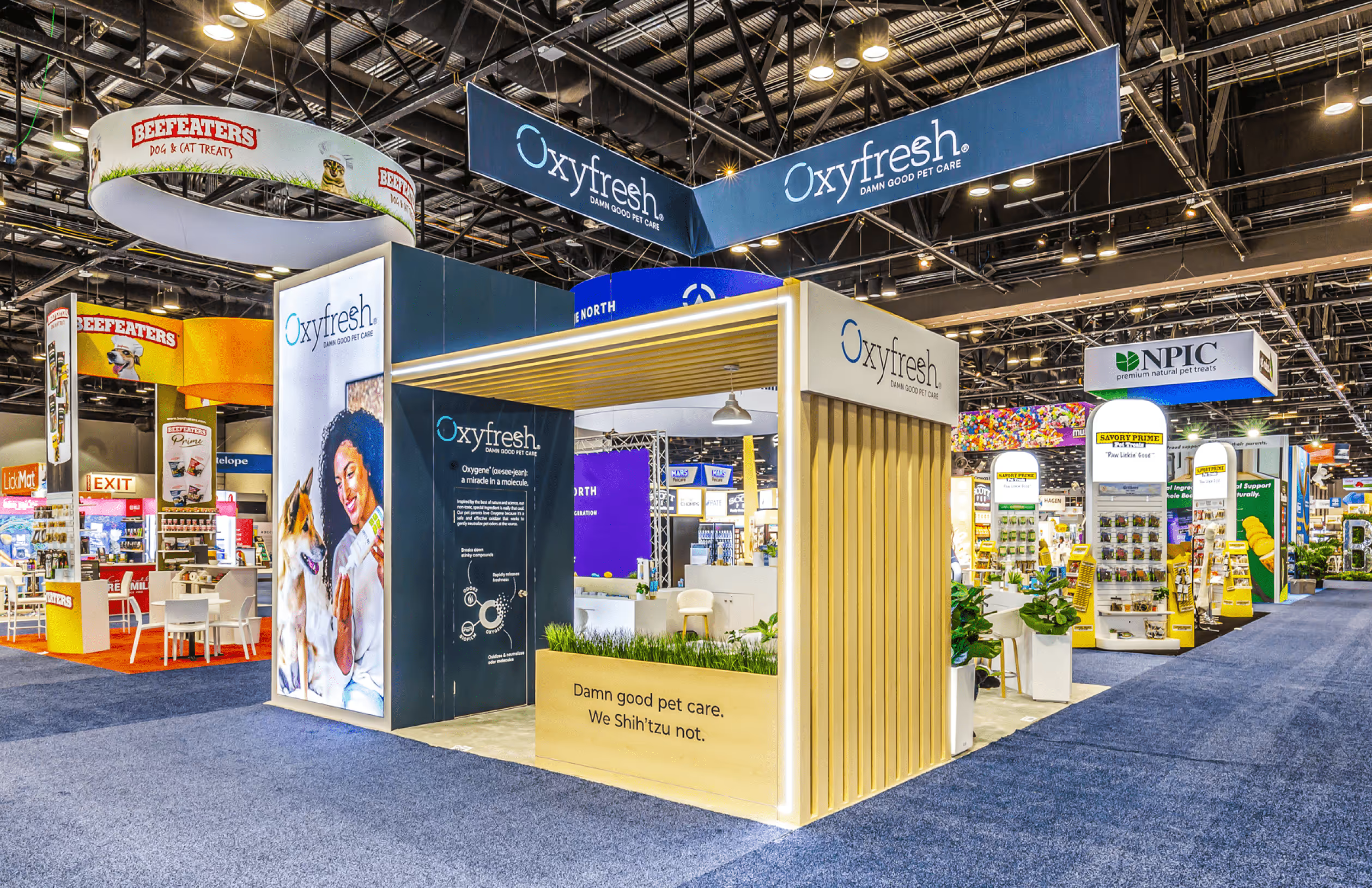

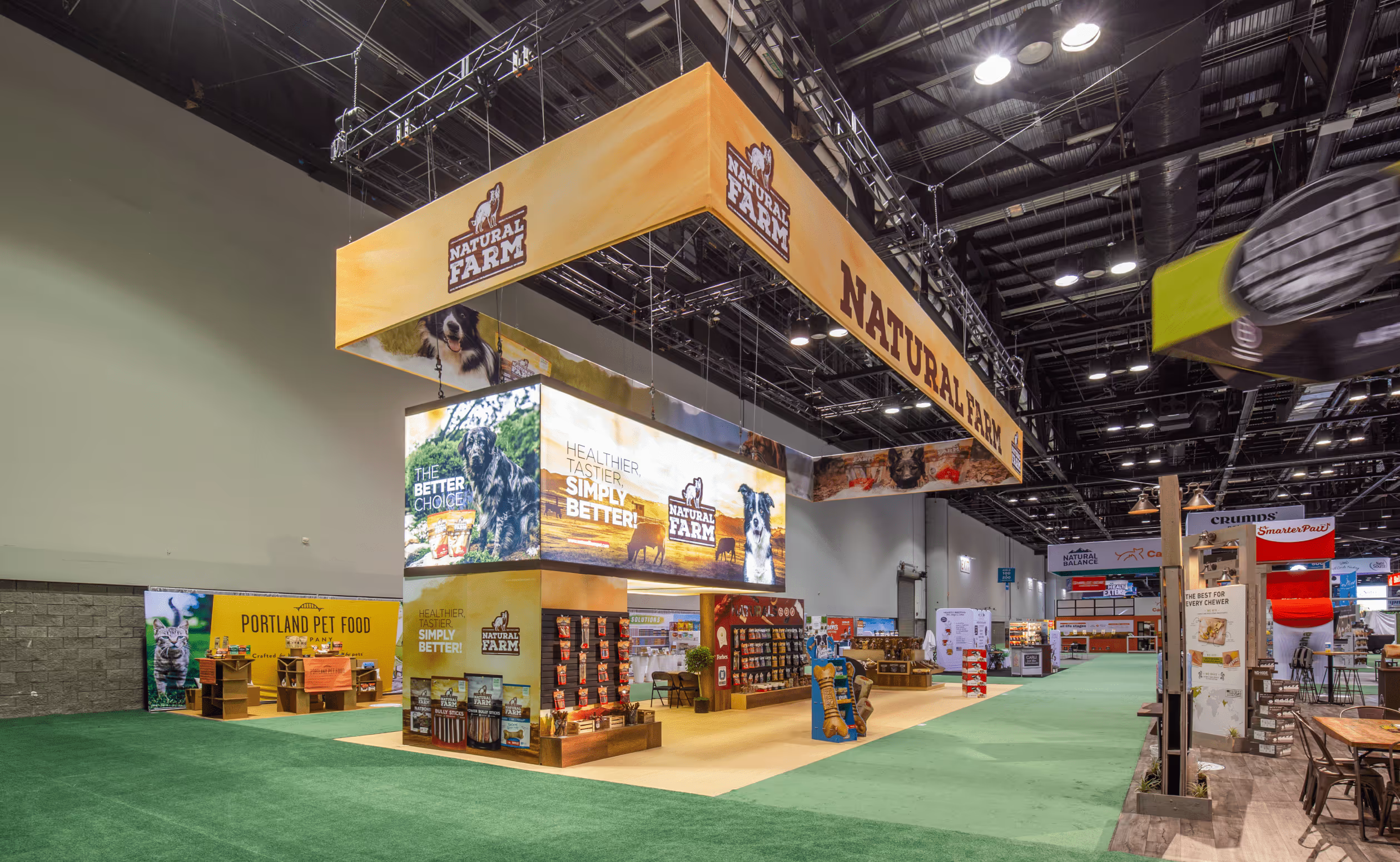

Logistics, staging, and communication were streamlined. EXHIB-IT turned chaos into order: cost control, smoother shows, and peace of mind.
Setup time cut in half. A 30×50 custom booth reduced labor by 192 hours and boosted vendor visibility across the ARA floor.
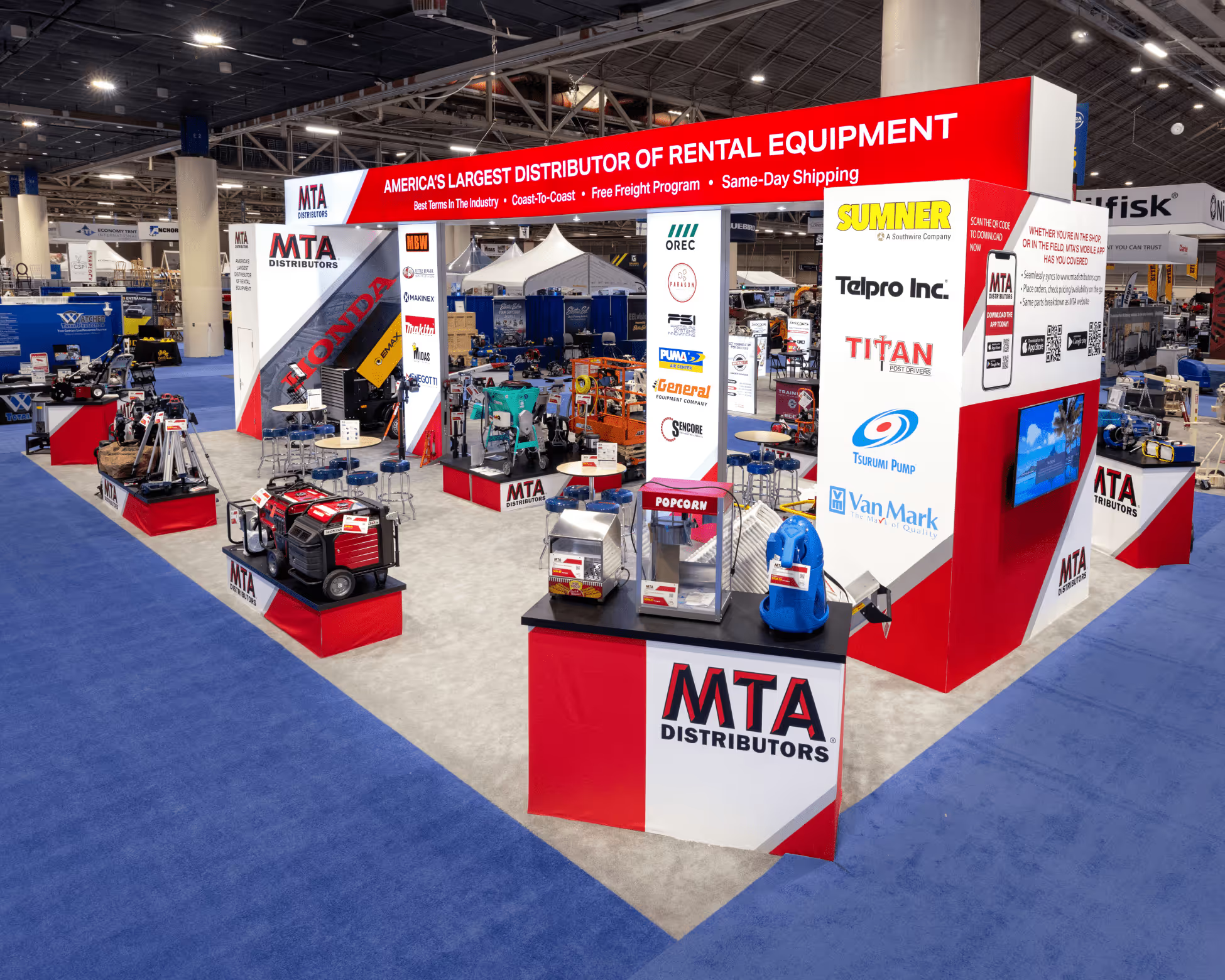
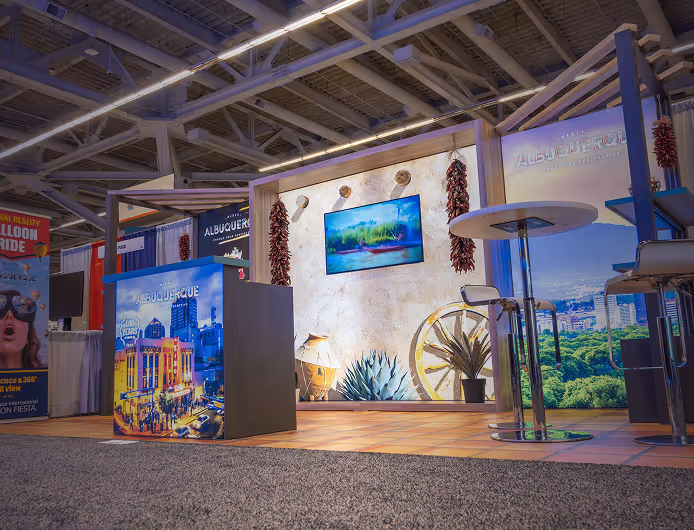

Immersive, culture-first design turned a 20×10 space into a showcase of New Mexico, with adobe textures, local art, and community pride.
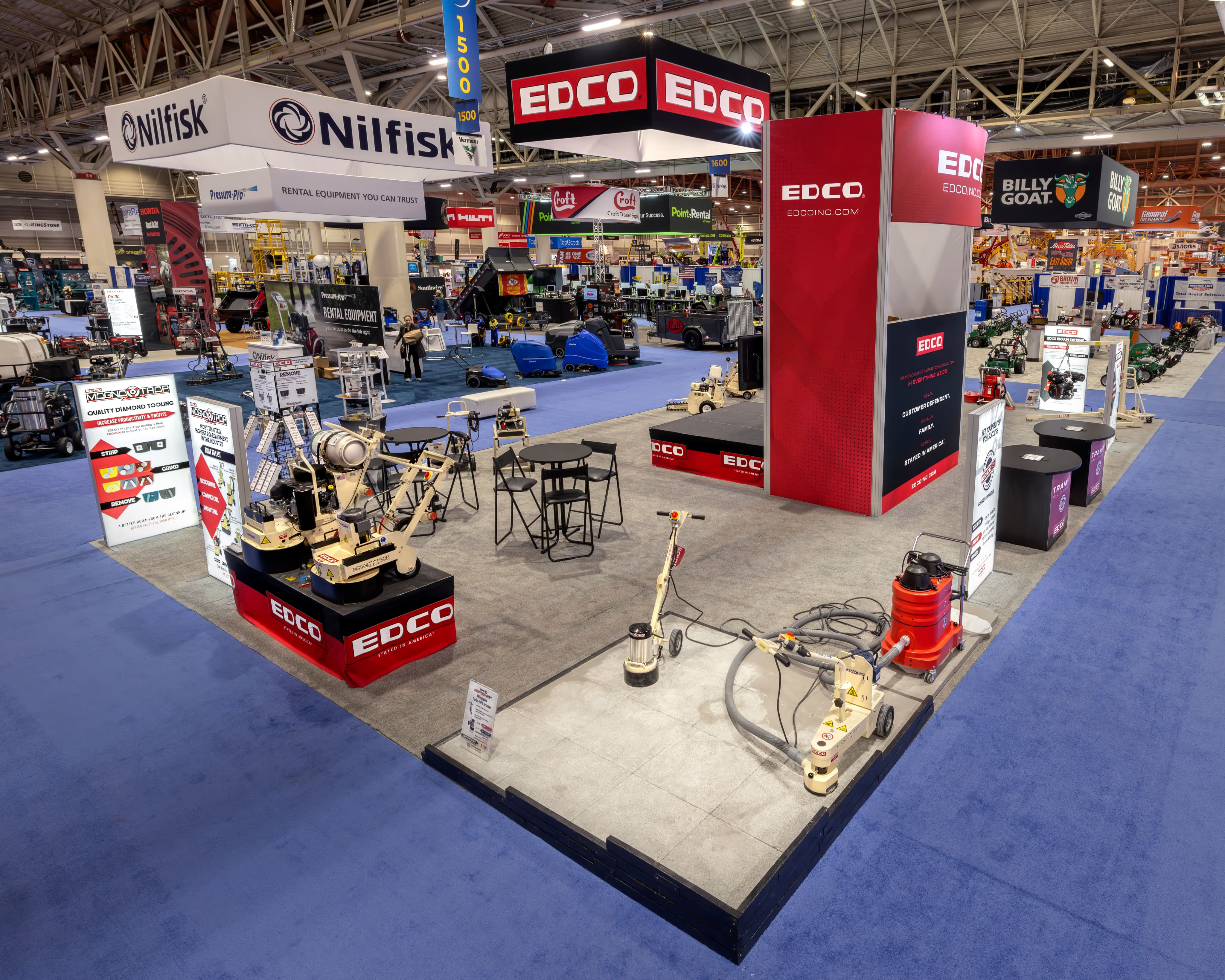
Open-concept booth brought machinery to life. Live demos and training increased engagement and positioned EDCO as industry leader.