by Georgea
January 9, 2026


Planning a trade show presence takes more than booking a spot and showing up with banners. The way your booth is designed shapes how attendees experience your brand, and that starts with choosing the right team to build it.
Fair design companies specialize in turning ideas into exhibit spaces that work. From custom layouts and branded structures to modular setups and reconfigurable elements, they help you stand out while staying practical.
This guide breaks down what fair design companies actually do, how to tell a good partner from an average one, and what to ask before signing anything. If your next event needs more than a table and backdrop, you're in the right place.
Not every trade show booth is built the same way, and that’s exactly the point. Fair design companies exist to turn raw floor space into something that reflects your brand, stops foot traffic, and supports your team’s goals at the event.
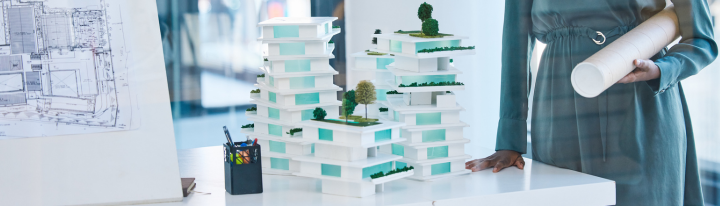
The process usually starts with a design brief: what your brand needs, how much space you’re working with, and what kind of interaction you want with visitors. A fair design company then translates that into sketches, 3D renderings, and ultimately a physical structure.
Beyond the visuals, they plan traffic flow, product placement, lighting, signage, and messaging so everything feels intentional, not improvised.
Good exhibit design is about clarity, not just aesthetics. Fair design companies consider how people will move through your booth, where conversations will happen, and what should grab attention first.
It’s part architecture, part marketing, and part logistics. When it’s done well, the effort is not noticed; only the result.
The right design partner doesn’t just build what you asked for. They help you ask better questions, think ahead, and avoid costly surprises. Here’s what to look for:
1. They ask about goals, not just dimensions
A strong partner starts by understanding what you want to achieve—lead generation, product demos, branding, not just how big your booth is. If the first conversation is only about square footage, you might be in the wrong place.
2. They show more than renderings
While 3D visuals are great, a good design company also explains materials, setup time, and what happens when the lights go out. The visuals are part of the process, but the logistics are just as critical.
3. They adapt to your brand, not the other way around
You shouldn't have to squeeze your message into a generic layout. Great, fair design companies build around your brand, not force it into a template.
4. They talk about the venue before you do
Every venue has its own rules, quirks, and loading schedules. A company that already knows what to expect is already saving you time (and probably stress).
5. They explain how the booth travels
Setup, teardown, shipping crates, storage—it’s all part of the design. If no one mentions what happens after the event, expect trouble later.
A clear brief saves everyone time. It prevents misunderstandings, avoids unnecessary revisions, and helps the design team focus on what matters most.
Even a rough sketch is better than nothing. Bring your booth size, show dates, basic layout preferences (open vs enclosed), and any branding guidelines you already use.
It also helps to gather photos of past booths you liked, or ones that didn’t work. A few reference images can say more than a long email.
If you’re reusing part of a modular system, have specs or images on hand. The more context the team has upfront, the stronger the first round of design will be.
These are the small things that make a big difference later. Share them early, and your fair design company will be able to design around reality, not guesswork.
Not all mistakes show up immediately. Some creep in slowly—during setup, after shipping, or when you realize no one thought about the demo space. Here’s where teams often go wrong.
One of the most common issues? Overlooking setup time. A booth might look great in a rendering, but if it takes longer to build than your move-in window allows, it doesn’t matter.
Another time-killer: choosing a design firm unfamiliar with the venue. Every show floor has its own quirks. If your partner hasn’t worked in that hall—or doesn’t ask about it—you may spend show day navigating problems that could’ve been avoided.
Some teams focus so much on the upfront quote that they miss hidden costs: shipping, storage, drayage, and post-show teardown. Others approve custom builds without asking how reusable the structure will be.
And then there’s the booth that looks amazing, but can’t be reconfigured for future shows. That’s not an investment—it’s a one-time expense disguised as a solution.
Before you lock anything in, ask the questions most teams skip until it’s too late.
Some design companies take care of this. Others expect you to manage all communication with the venue. You’ll want to know which side of that line they’re on.
If your layout changes, can the booth change with it? Modular design saves money long-term—but only if that’s how it was planned.
Installation, dismantle, shipping, post-show storage—some partners offer it all, others don’t. Clarity here avoids unpleasant surprises later.
Trade show timelines move, and shipping delays happen. Ask what flexibility the company builds in and how changes affect the budget.
Knowing who actually builds your booth can tell you a lot about quality control, timelines, and accountability.
Fair design companies usually work with three main booth types—modular, custom, or a mix of both. Each has its place, and the best choice depends on how often you exhibit, how much flexibility you need, and how long you plan to use the same structure.
Modular booths are ideal for brands that attend multiple events per year. They’re built with reusable frames and interchangeable graphics, which makes them easier to transport, adjust, and repurpose. These are especially useful when booth sizes vary between shows.
Custom booths, on the other hand, are built for impact. They’re tailored to your brand and usually include unique shapes, finishes, and structures. While they offer maximum visual control, they often come with higher costs, longer setup times, and fewer reuse options.
Hybrid booths combine elements from both: a modular structure underneath and custom features layered on top. It’s a flexible middle ground that many growing brands choose when they want something unique without starting from scratch.
Before deciding, ask yourself if the booth you’re building today can evolve with your brand tomorrow. Many companies invest in a design that works once, only to outgrow it within a year. A fair design company will help you plan for now and what’s next.
Trade shows are fast-paced, high-stakes, and often unpredictable. The last thing you need is a design partner who treats your booth like a template.
Fair design companies do more than build good-looking structures. They help you tell your story, support your team on-site, and set you up for long-term use, not just a one-time impact.
If you’re comparing fair design companies, use this guide to ask smarter questions and choose a team that designs with strategy, not just style.
Georgea
Georgena